
Activism
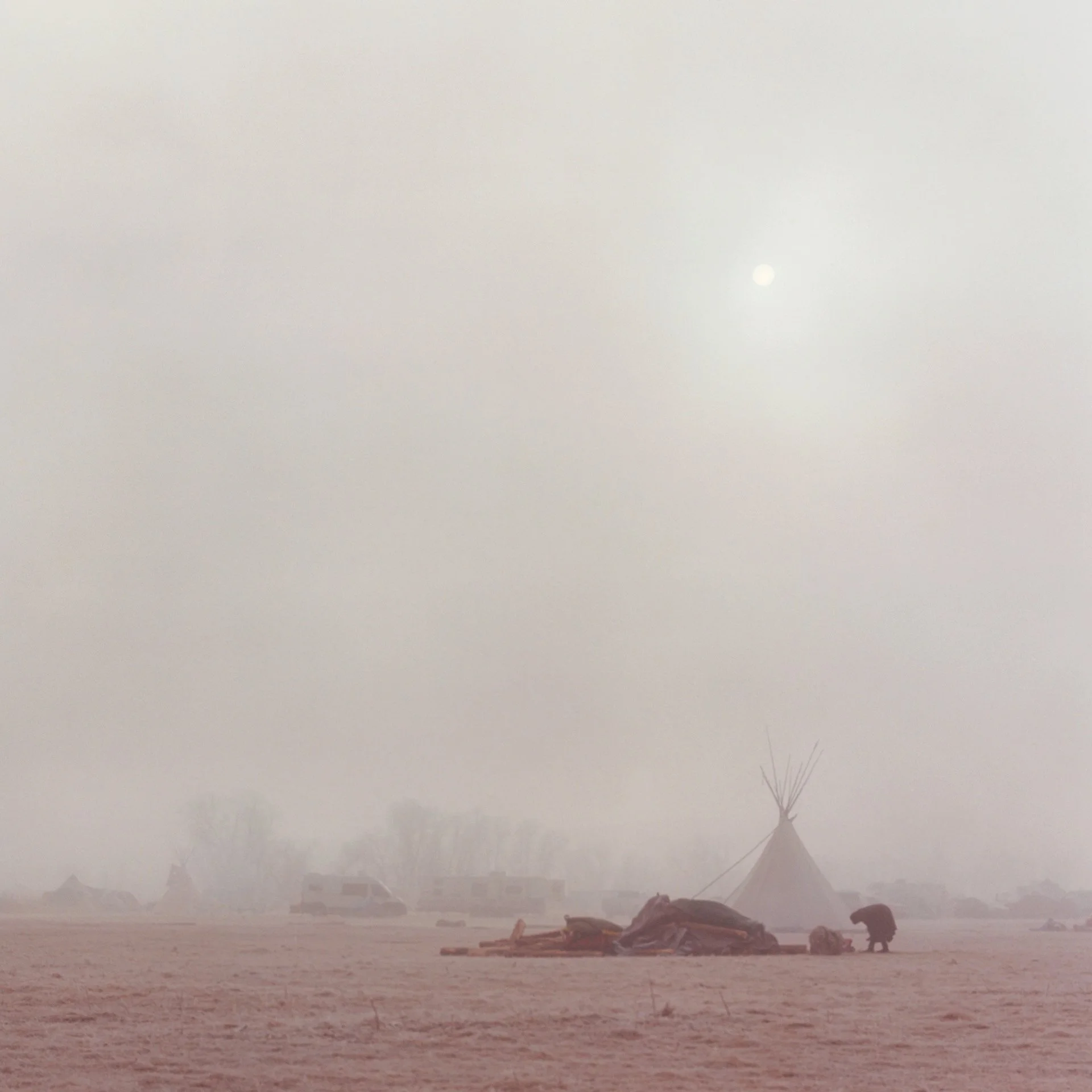
A woman tends to the sacred fire in the middle of the circular position of seven tipis at Oceti Sakowin camp. The encampment was formed in April 2016 to prevent the construction of the Dakota Access Pipeline that destructed sacred burial sites and threatens the water supply of Standing Rock Sioux Reservation and approximately 18 million people living downstream.
With the rise of American Indian activism of the 1960’s and 1970’s, it began to rattle the U.S. government and put pressure on them to face the harsh realities set upon Native American people throughout the centuries. Native American groups began to demand enforcement of treaty rights and sovereignty among their nations. One of the earliest and largest activist groups was formed in 1968 called the American Indian Movement (AIM). Their original purpose was to assist Indians in urban ghettos that had been displaced by government programs of termination and relocation. These programs had effectively forced thousands of Indians from their reservations to unfamiliar and hostile urban environments in which they were not accustomed to.
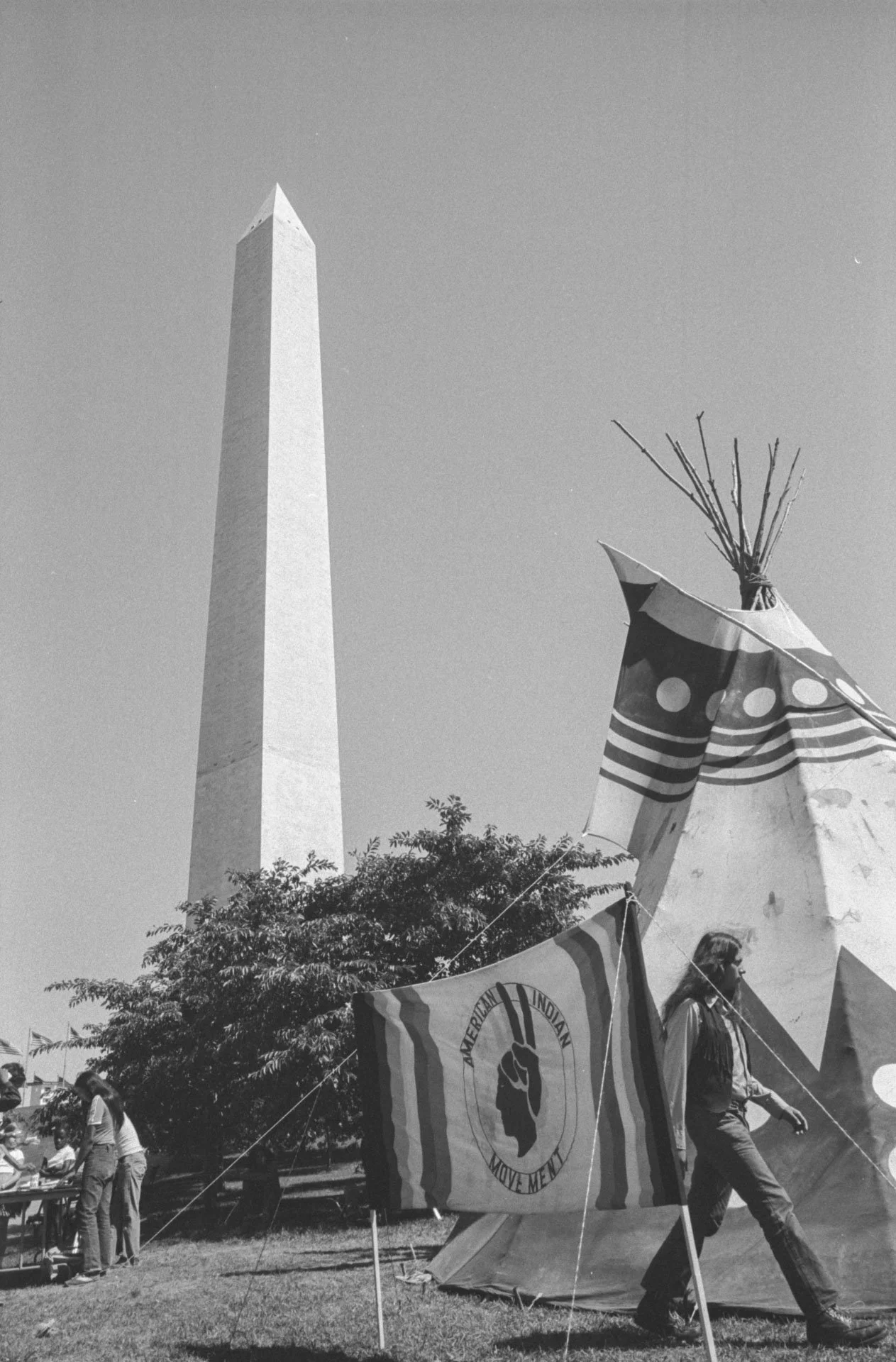
American Indian Movement (AIM) in Washington D.C. in 1978. Source: Library of Congress
AIM eventually evolved and began to stand up for American Indian civil rights, economic independence, religious freedom, revitalization of cultural traditions, and protection of their legal rights as Indigenous people. The American Indian Movement is notorious for leading many highly publicized protests and occupations throughout the United States. One of the most famous protests by this group was the 1964 occupation of Alcatraz, a small island off the coast of California that was once home to an active military prison until it was left abandoned in 1963.
In the 1970’s, the group was also involved in the occupation of Mount Rushmore, the march on Washington D.C. , the occupation of the Bureau of Indian Affairs’ office and the controversial but infamous occupation of Wounded Knee on the Pine Ridge Indian Reservation which involved a gun fight between AIM members and federal police officers that resulted in the deaths of two FBI agents and one Indian man in 1975. AIM member Leonard Peltier is currently serving two life sentences for the supposed killings of the two federal agents even though the evidence presented against him was very contradictory. There has been ample international support and pressure to free Leonard Peltier for wrongful conviction.
Around this same time, in 1973, Sacheen Littlefeather actress and activist (White Mountain Apache and Yaqui), notoriously took the stage at the Academy Awards in lieu of Marlon Brando when he won “best actor” for his role in The Godfather. Littlefeather took the stage and rejected the award on his behalf as a political protest to the unfair treatment of American Indians in the film industry and in Hollywood.
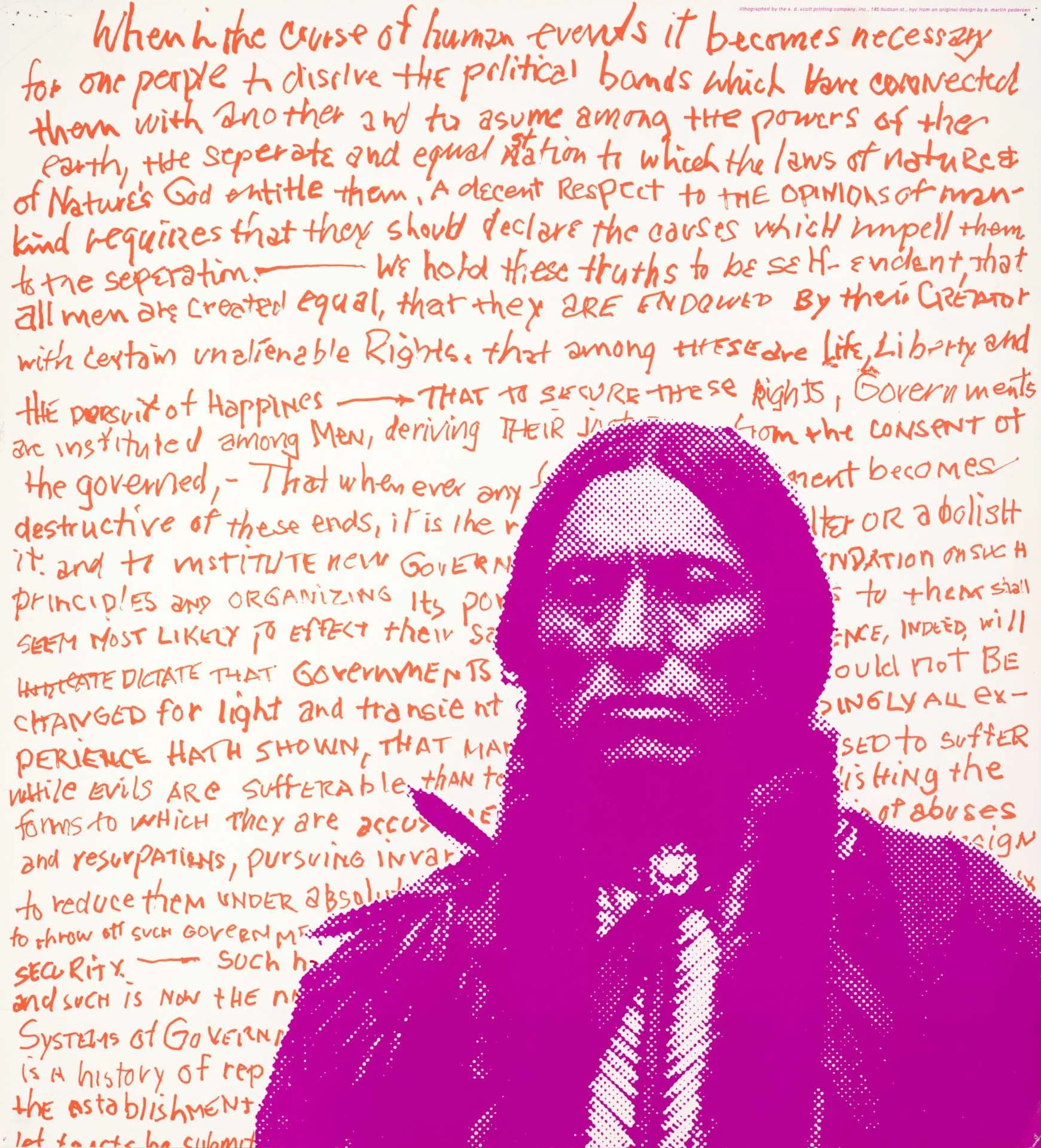
Poster, by artist Martin B. Pedersen, shows a Native American and the Declaration of Independence printed in the background. Source: Library of Congress
The few instances described above demonstrate the activism and movements of the 1960-70’s and was a rebirth of American Indians taking a stand for their rights in conjunction with the civil rights movement going on in the United States. Activism amongst Native America groups and people continue today and many of the people involved are the children of the original AIM members. The 2016 protests on the Standing Rock Sioux Reservation in North Dakota was a movement that gained international attention when Native people and allies gathered to send the message to the world that Native Americans will continue to stand up for themselves for the preservation of the land, water and animals. The story of modern activism today in Indian Country has gained momentum from the seeds planted during the movements of the 1960’s and has led to legislative breakthroughs and achievements for Indigenous rights.
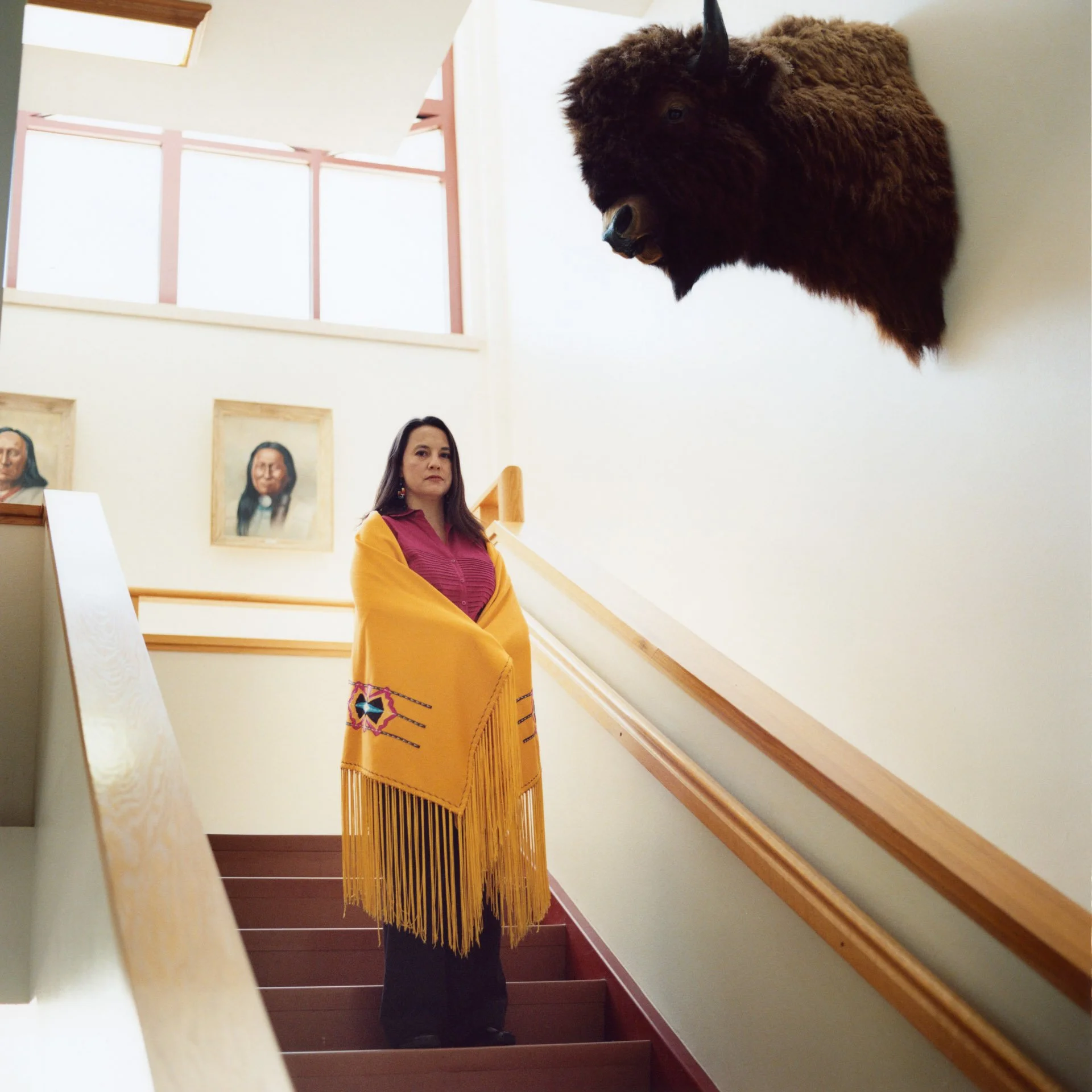
Sara is a mother of 3 and a pediatrician working on the Standing Rock Sioux Reservation for the Lakota and Dakota people. In 2012, Sara and her husband were part of saving Pe’ Sla, a sacred site in the Black Hills of South Dakota that is considered to be the center and heart of everything that is. It is part of the Lakota creation story and is used in many ceremonies to sustain the Lakota way of life. They privately raised almost $1MM of the $9MM needed to buy back the land so it could be protected and in the hands of the Očhéthi Šakówiŋ (The Great Sioux Nation). Sara is pictured wearing a shawl that was given to her by her grandmother.
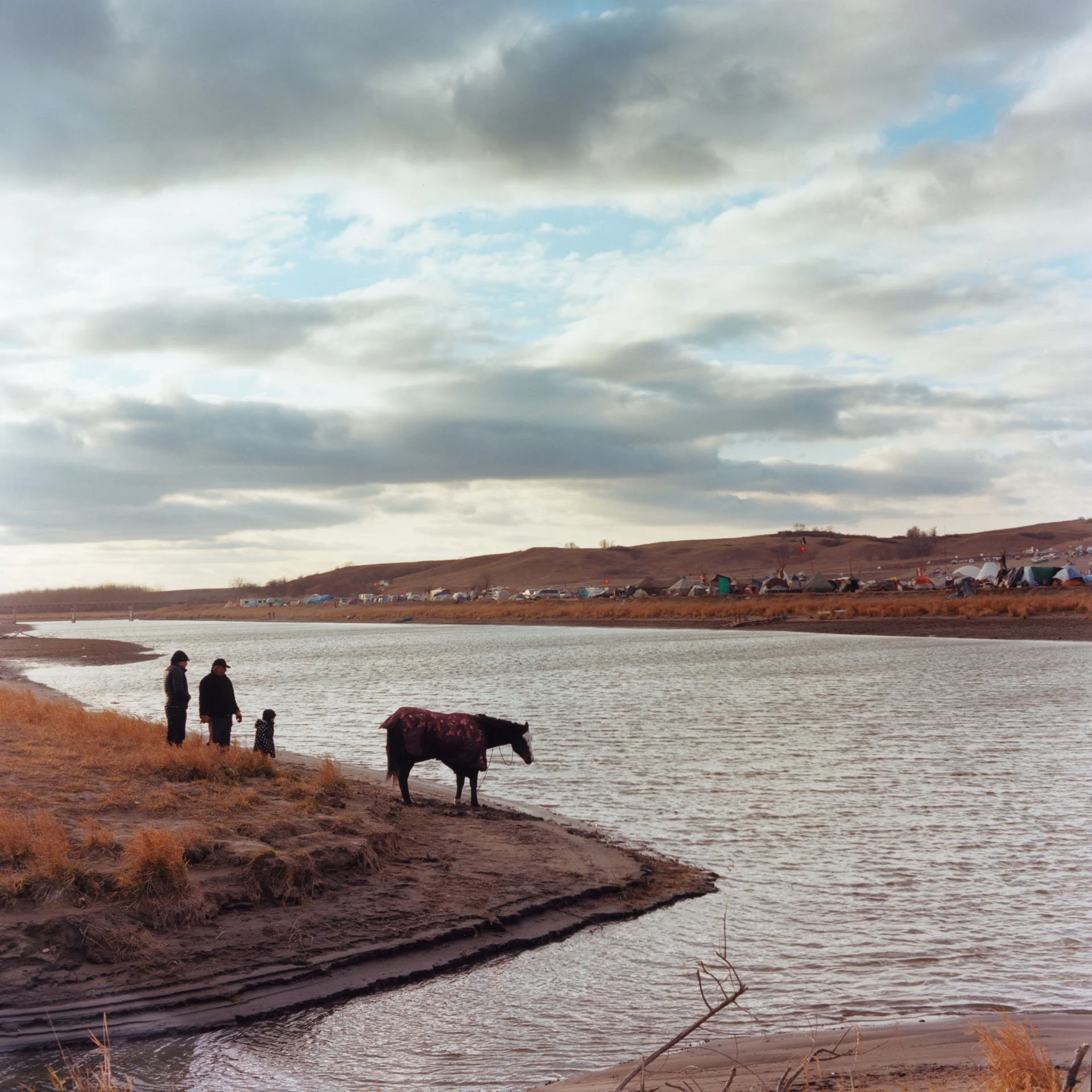
Family with horse by the River at the Očhéthi Šakówiŋ Camp.
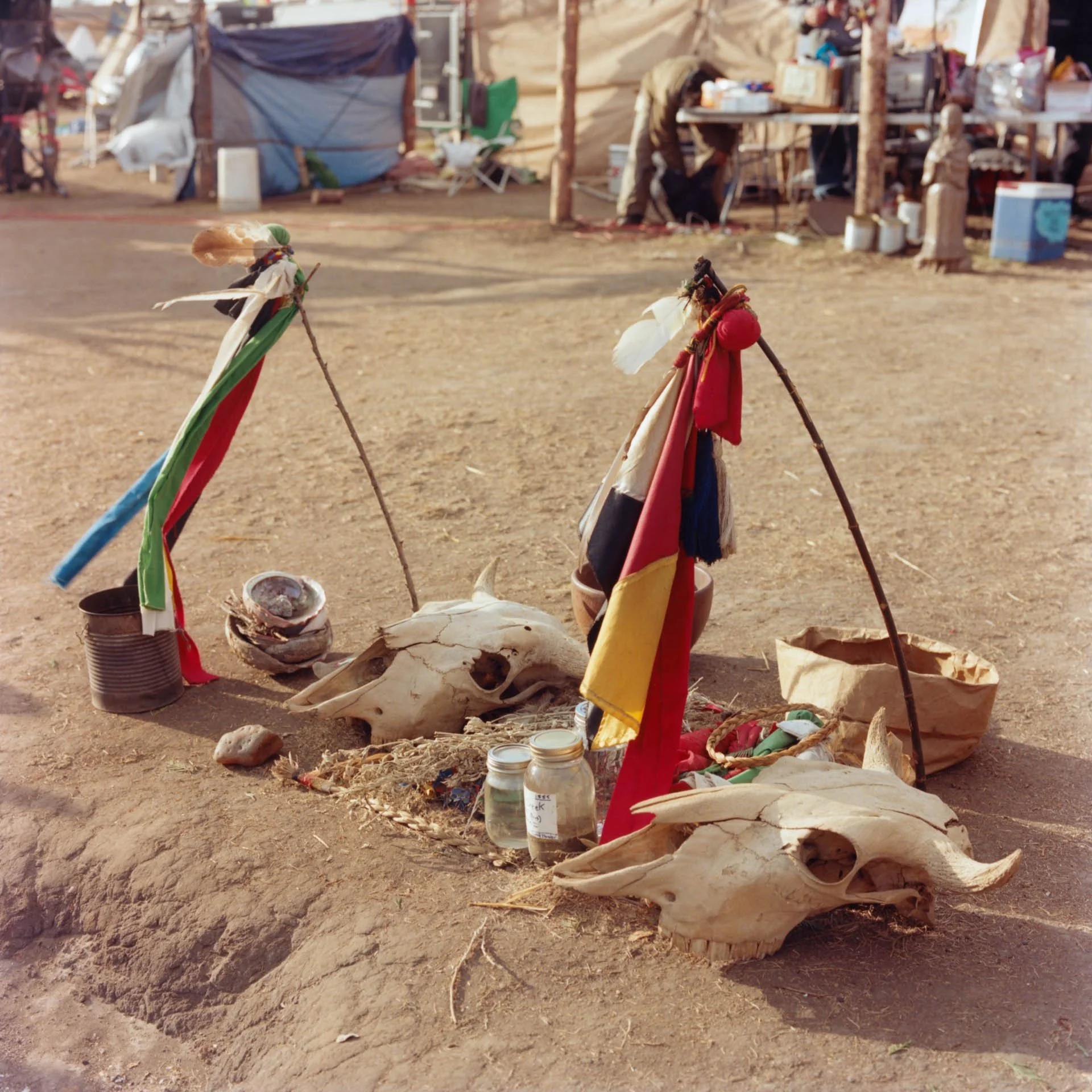
An altar at the Očhéthi Šakówiŋ Camp
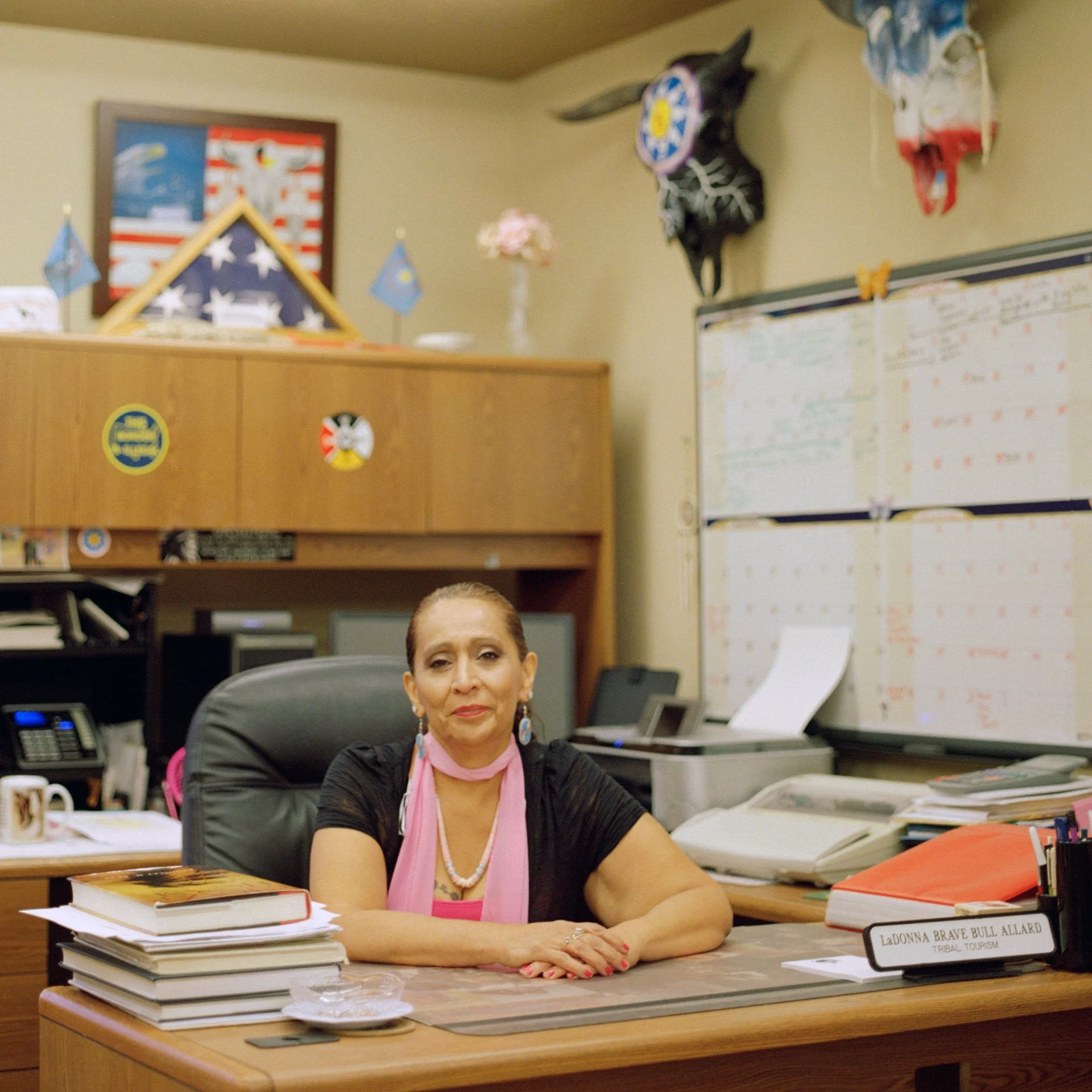
LaDonna Bravebull sits in her office at the Tribal Historic Preservation Building on the Standing Rock Sioux Reservation. She spearheaded the #NoDAPL movement in North Dakota in 2016.
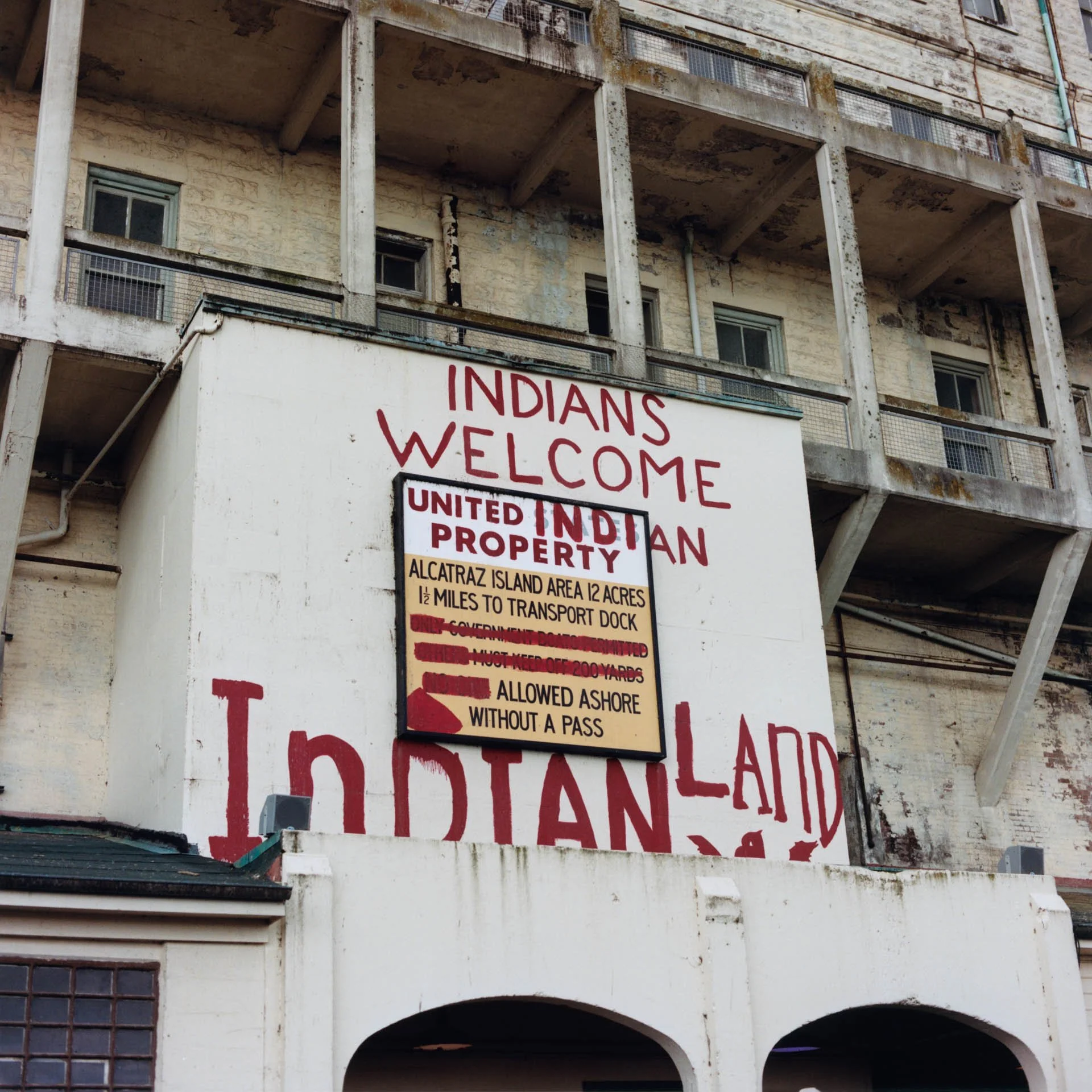
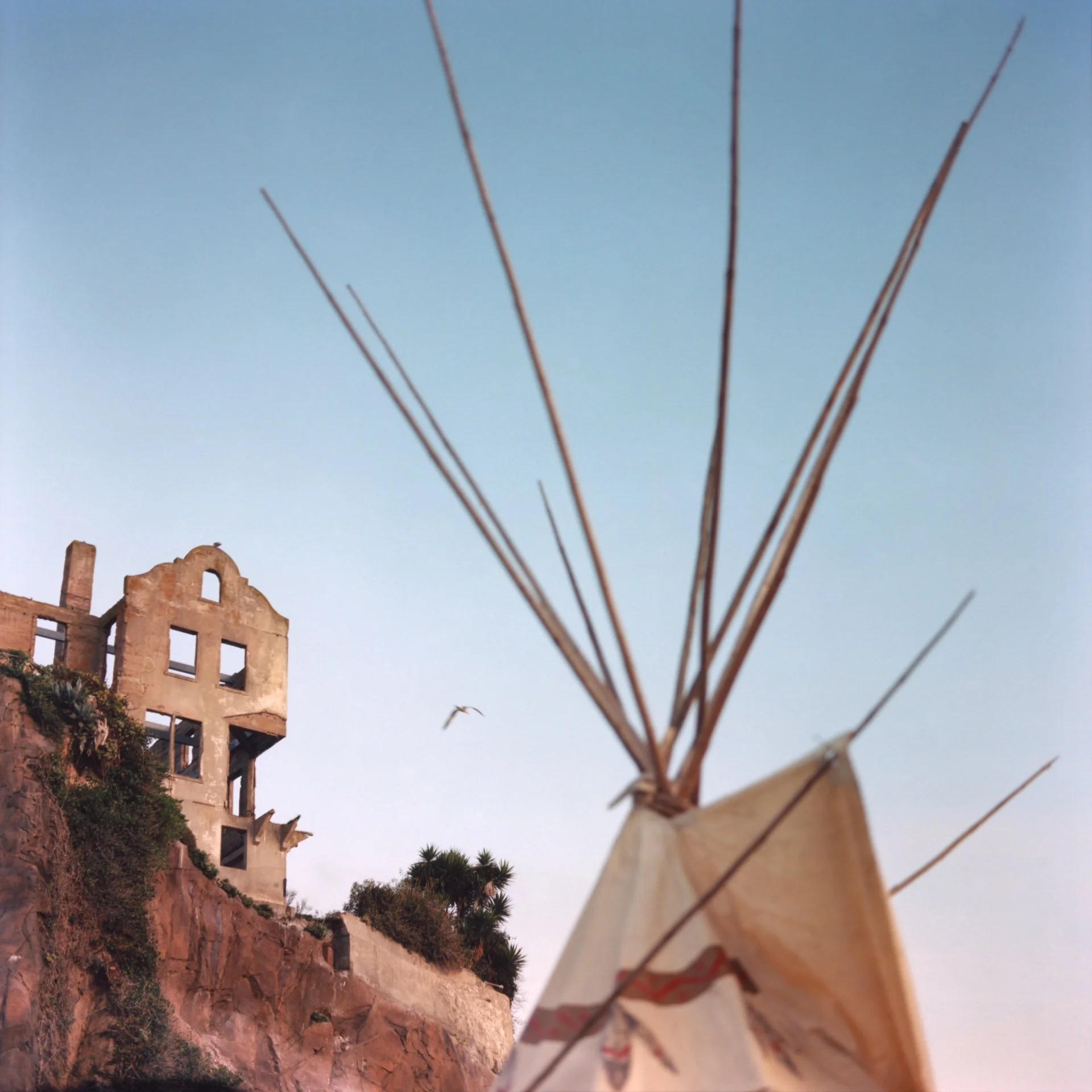
Every year, Native American groups travel to Alcatraz island to participate in a sunrise ceremony on “Thanksgiving Day” as a way to commemorate the victims of murder and genocide that occurred on what most Americans celebrate as festive Thanksgiving Day.
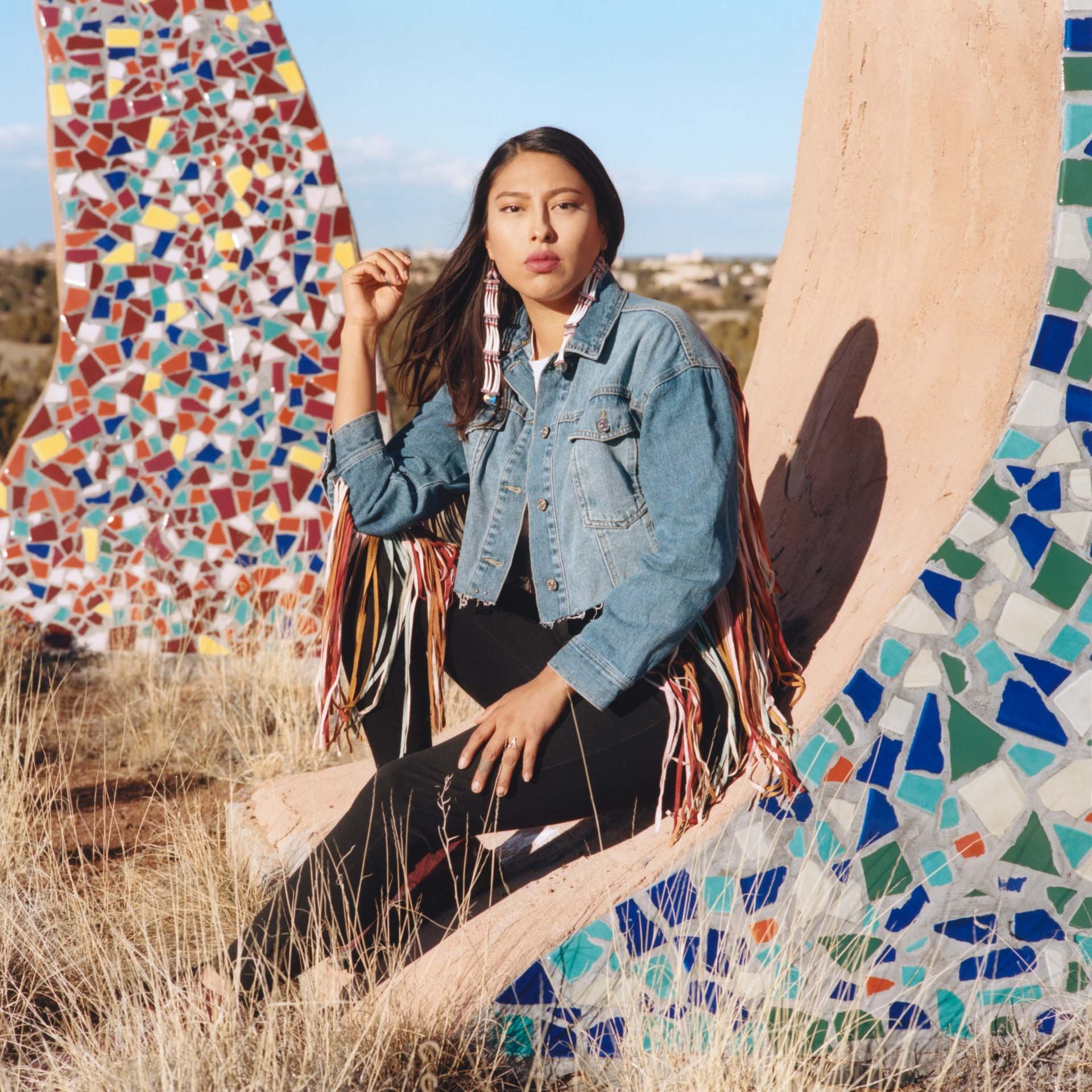
Juliana, an Oglala Lakota woman from the Pine Ridge Indian Reservation, is currently studying film at the Institute of American Indian Arts (IAIA) in New Mexico. She has been a long-time activist on environmental issues, particularly those that effect Native American lands and water. Since 2018, she has been working on a documentary film about water rights with special highlights surrounding the protests that occurred in 2016 at the Standing Rock Sioux Reservation in North Dakota.