
Winnemem Wintu
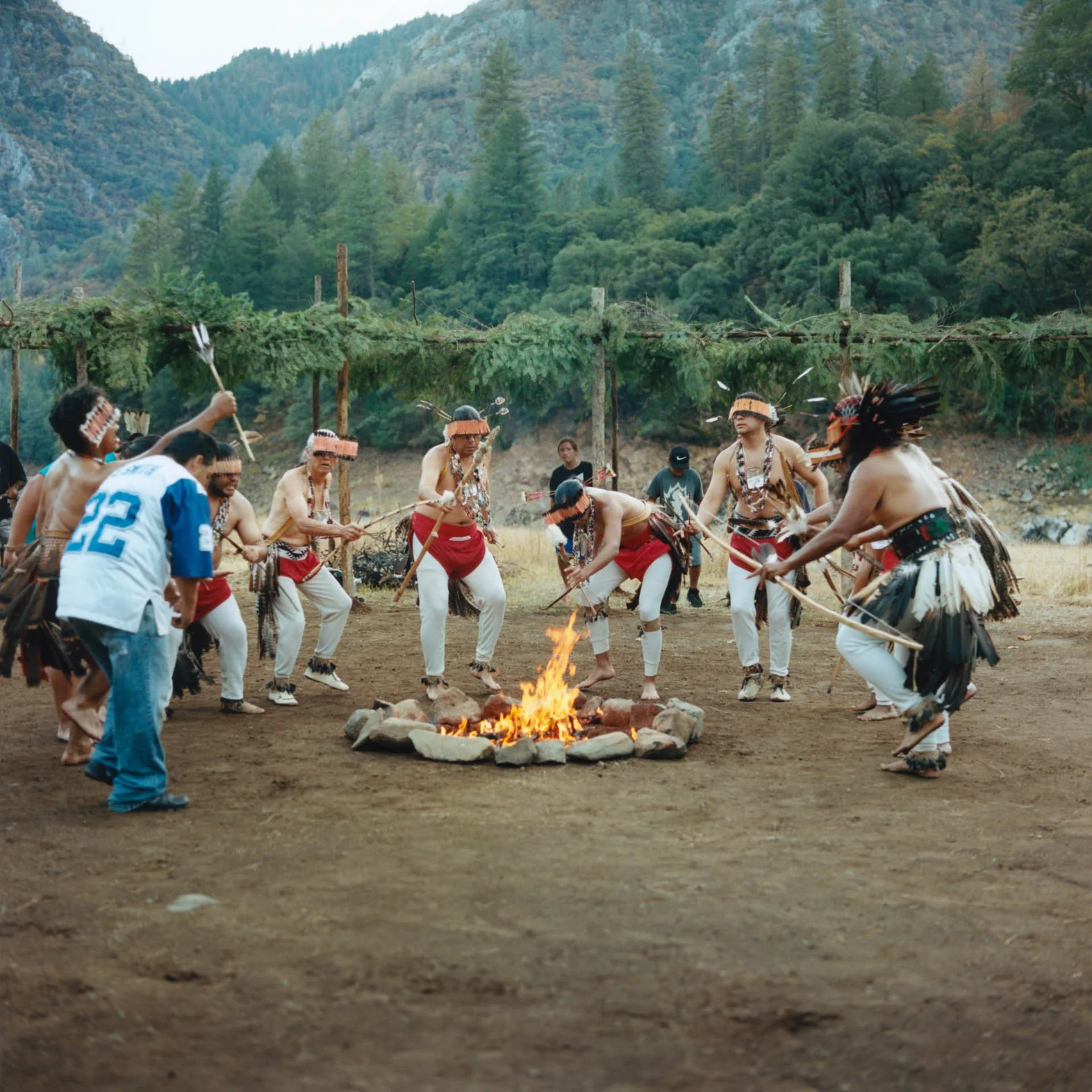
Winnemem Wintu dancers dance under the arbor at the closing ceremony of the Run4Salmon event, a spiritual journey to pray for the salmon and healing of the water ways.
The Winnemem Wintu’s Cry To Restore Their Salmon
In their language, Winnemem Wintu translates to “Middle Water People”. This Northern California tribe comes from the McCloud River which lies between Sacramento and Pit Rivers. The Winnemem strongly believe that the disappearance of their sacred Chinook salmon is connected to their own future. The tribe’s Chief, Caleen Sisk, describes the fate of her people: “We used to be 20,000 people along the river and we’re dwindling out like the salmon. We only have 126 members of the tribe left and so if the salmon are going extinct, we can only guess that so will we.” During the 1800’s, when fish populations were rapidly declining due to westward expansion, the federal government established the first U.S. fish hatchery along the McCloud River – at the site of the Winnemem Wintu’s ancestral lands. The Winnemem people were not in agreement with the set-up of the hatchery, but soon realized if they wanted to stay on their ancestral lands, they needed to maintain a peaceful relationship and cooperate with the government.
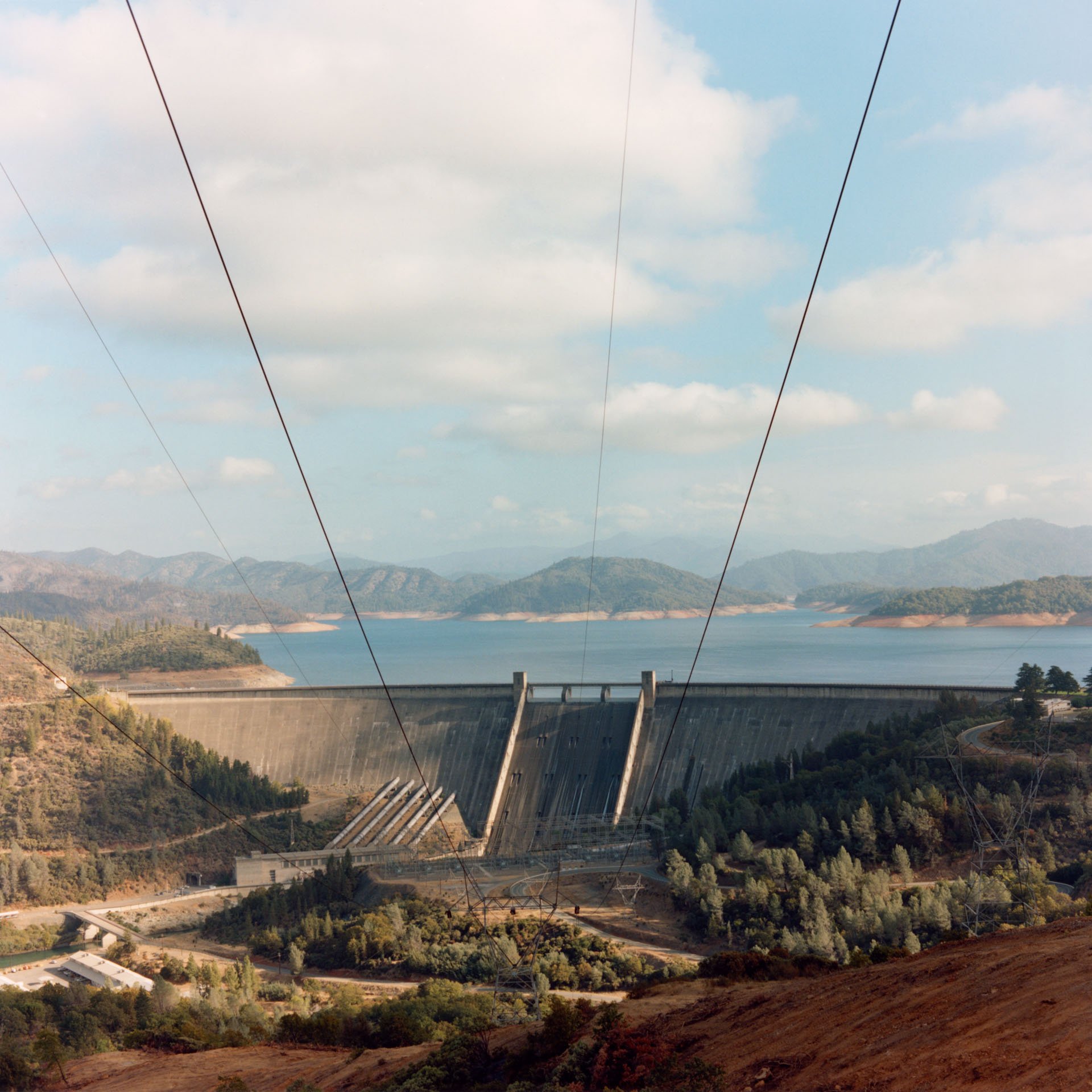
But in 1947, the construction of the Shasta Dam devastated the tribe by flooding them out and leaving most homeless. This caused an even more rapid decline of the salmon by blocking the route of their traditional spawning grounds, leaving the fish unable to reproduce naturally. Since then, the tribe, whose ancestors relied heavily on the Chinook salmon, have been lobbying to protect the waters and bring the fish back to sustainable numbers. In 2004, during a desperate cry to honor their declining salmon, the tribe decided to revive a war dance on the Shasta Dam – a dance that had lay dormant within their tribe for over 117 years. Their cries were heard from across the ocean; the Maori people of New Zealand responded saying “we have your salmon”.
What they discovered was that during the early fish hatchery years, the U.S. government set up programs to re-populate rivers around the U.S. and the world by shipping Chinook eggs from the McCloud River to waters around the world, including to New Zealand. Today, the ancestral Chinook salmon from California are thriving in New Zealand’s Southern Alps. The Winnemem Wintu have been re-connected to the genetic descendants of their salmon and have raised over $200,000 to begin the process of returning the eggs home to California. However, it’s not as simple as it may sound. Despite records and genetic testing proving that eggs were shipped from the McCloud River to New Zealand, biologists working with the U.S. government are reluctant to allow “foreign” species of fish into the waters of California.
The fight to re-populate their salmon continues and since 2016, the Winnemem Wintu have hosted a 2-week journey upstream called Run4Salmon. This 300-mile trek is a combination of running, walking, biking, boating and horseback riding upstream as a way to bring awareness of salmon and water restoration. The Red Road Project humbly took part in this journey to stand in solidarity with the Winnemem Wintu people and to do our part in sharing their story.
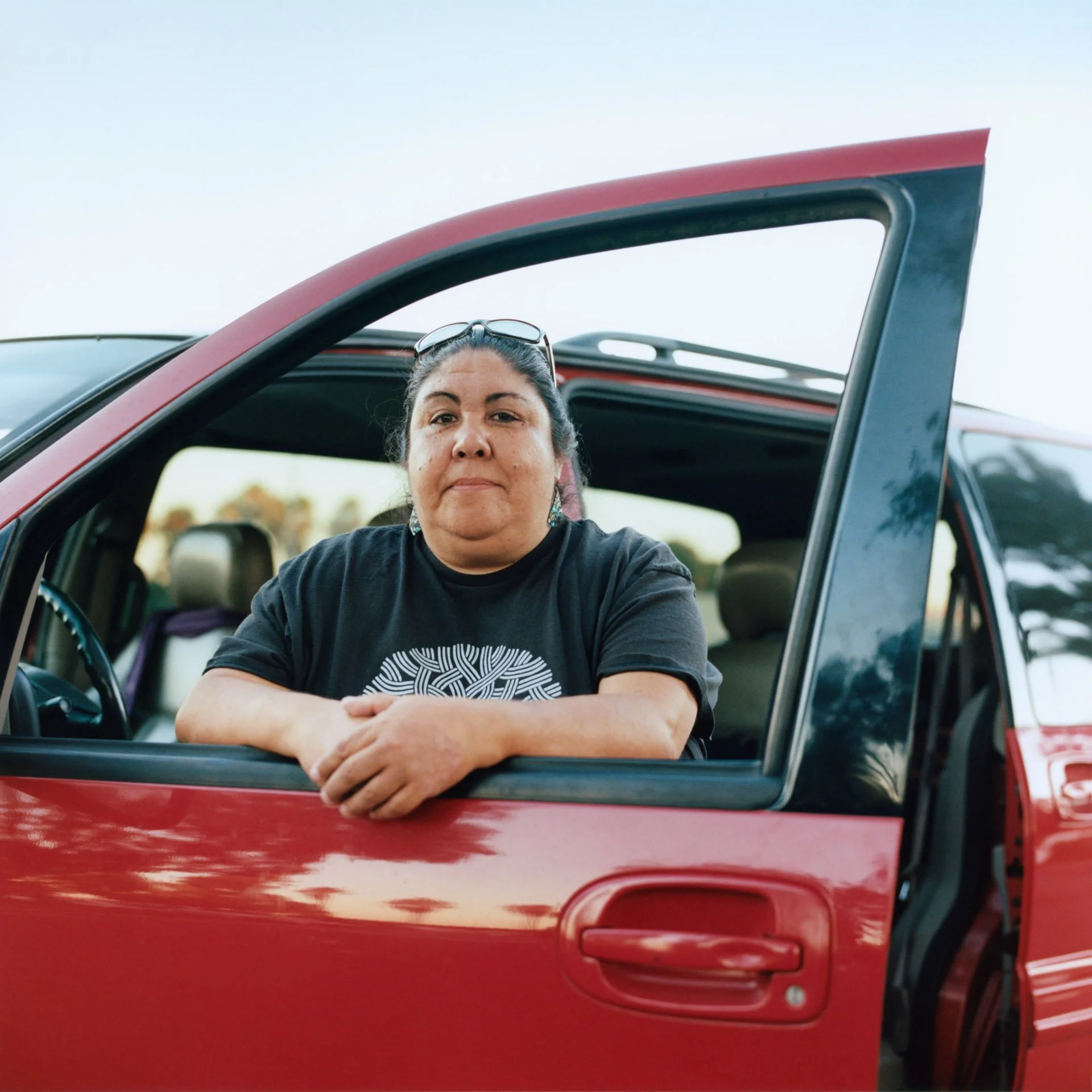
Corrina Gould is the tribal spokesperson and leader for the Confederated Villages of Lisjan. She is also co-founder of the Sogorea Te' Land Trust which is an urban Indigenous women-led land trust based in the San Francisco Bay Area that facilitates the return of Indigenous land to Indigenous people. She is photographed here taking a break during the 2-week spiritual journey led by the Winnemem Wintu tribe as they prayed for the return of their sacred chinook salmon and protection of the waterways. Corrina continues to fight for the protection of the Shellmounds, uphold her Nation's inherent right to sovereignty, and stand in solidarity with her Indigenous relatives to protect sacred waters, mountains, and lands all over the world.
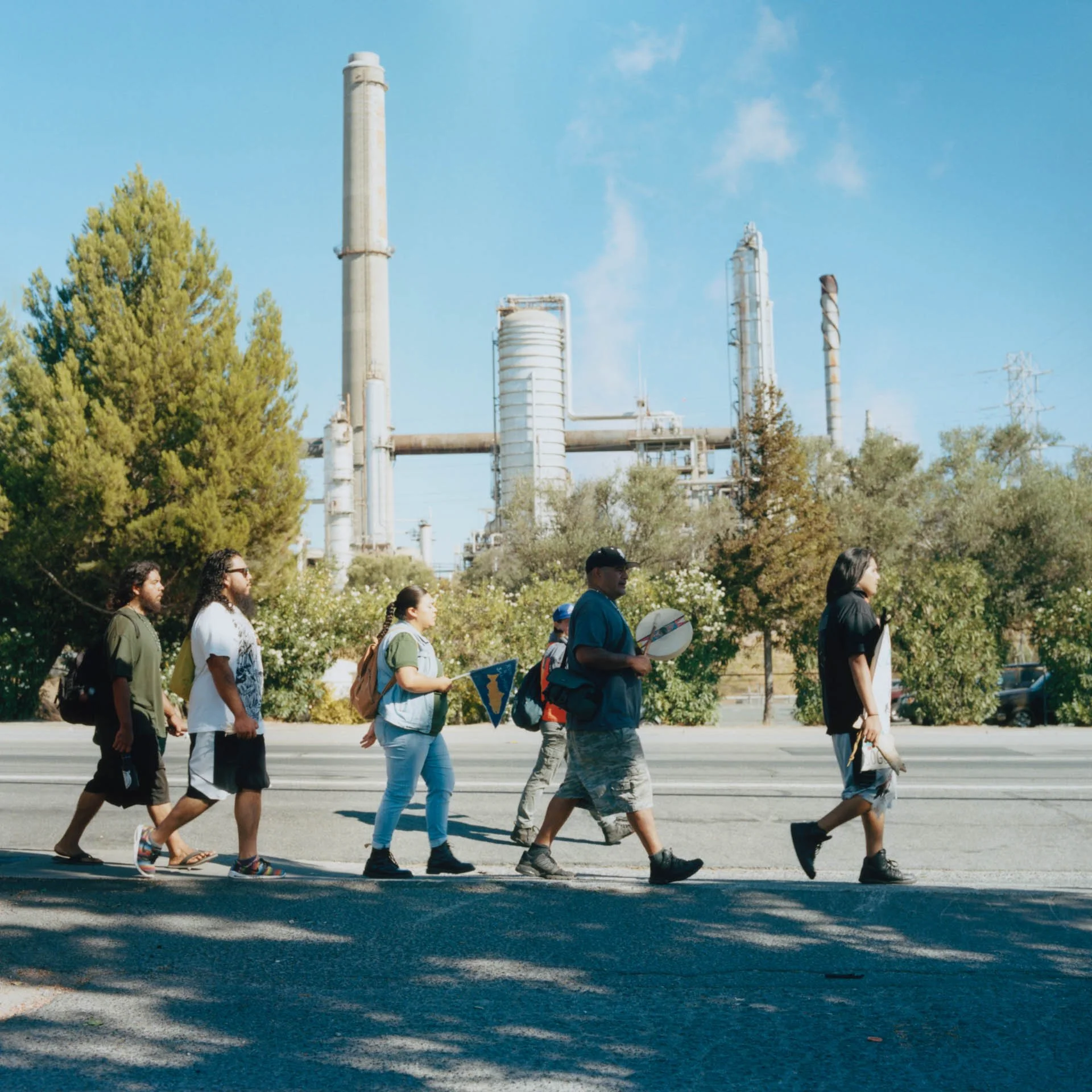
Participants of the Run4Salmon journey walk, sing and drum as they pass by an oil and gas refinery outside of Martinez, CA.
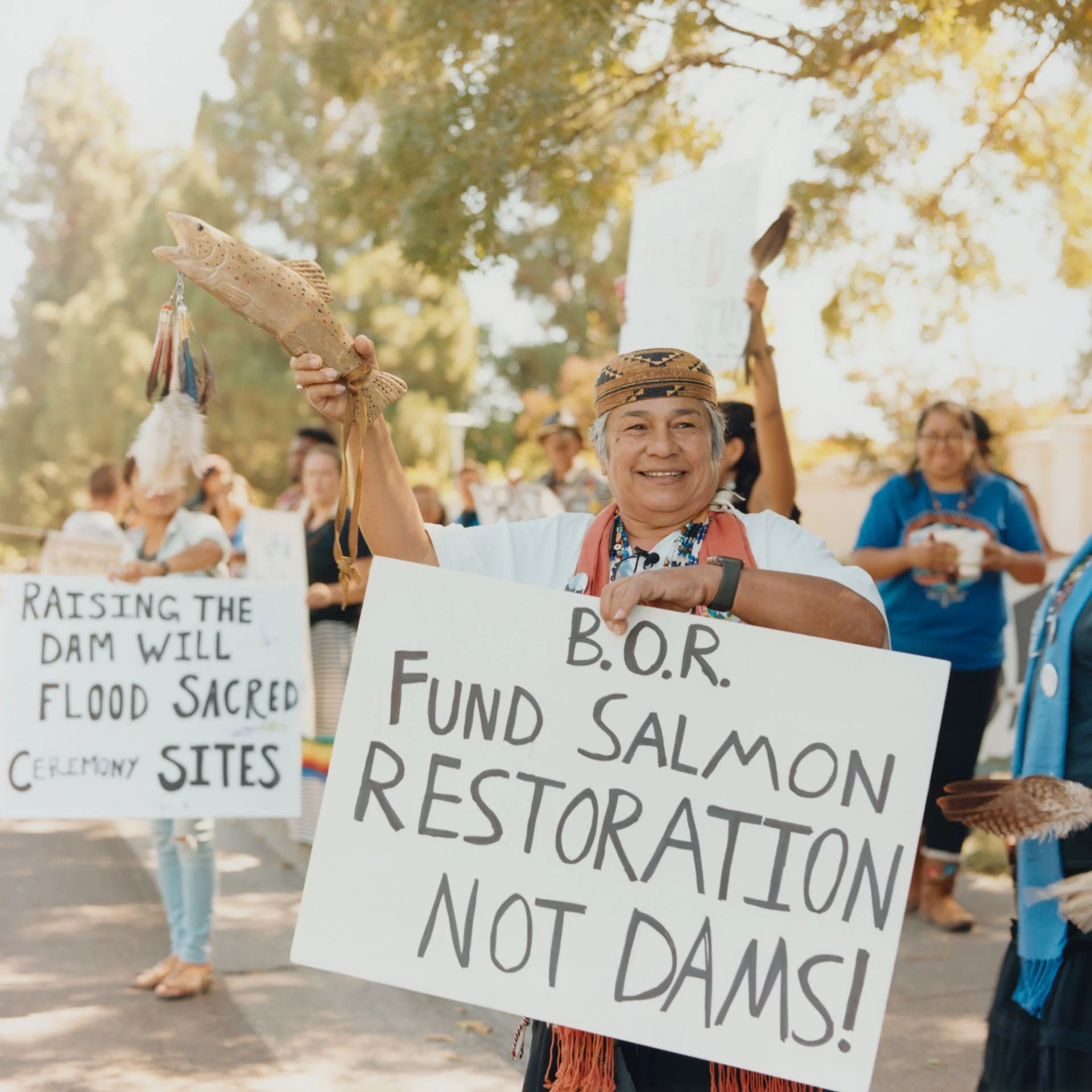
Chief Caleen of the Winnemem Wintu Tribe in Northern California holds a handmade sign during a protest at the Bureau of Reclamation in Sacramento, CA. The Tribe wants the BOR, who manages the Shasta Dam and is in charge of implementing fish and wildlife projects, to fund the restoration of the salmon project rather than spending funds on raising the dam. The expansion project is under way and it is expected to be completed in 2024.
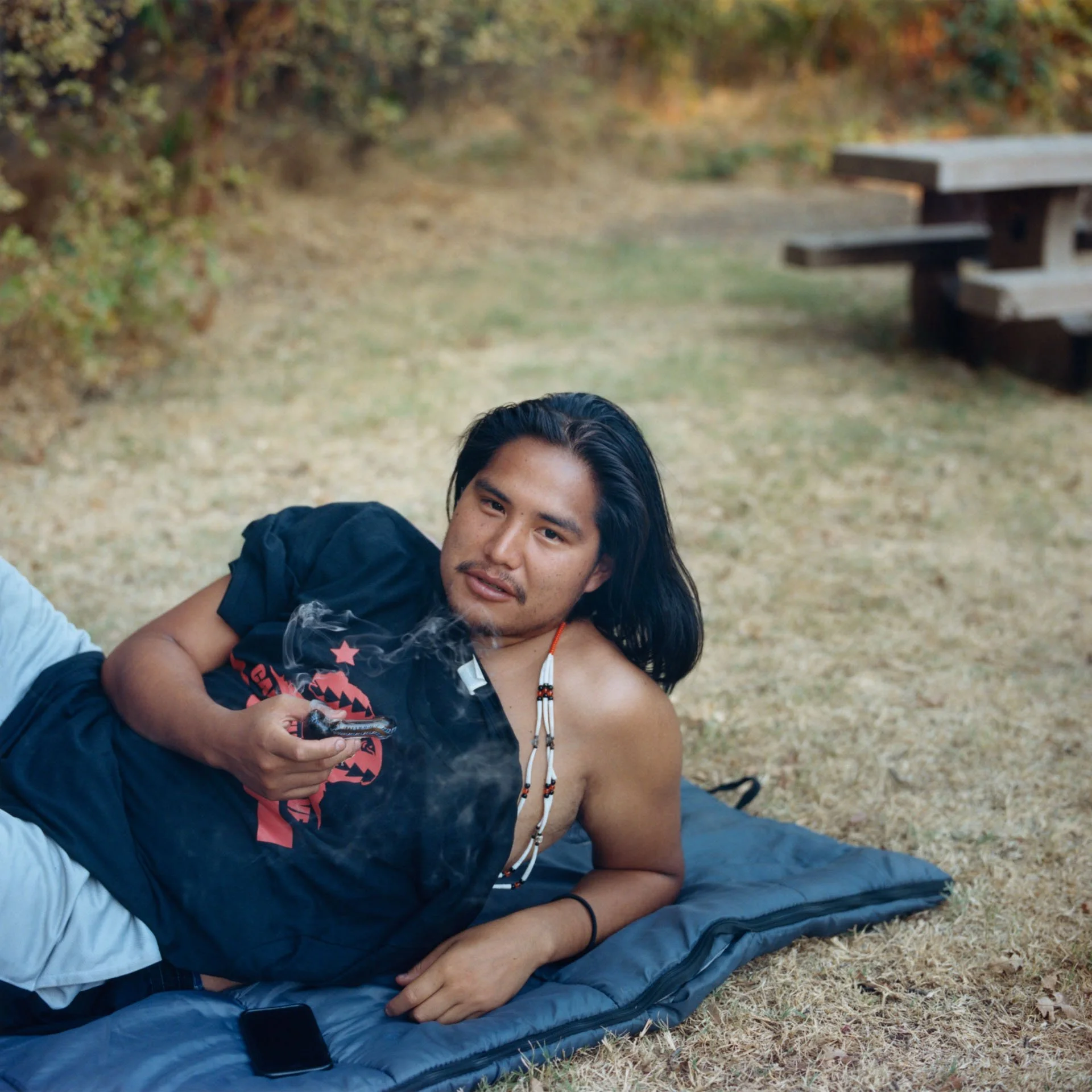
Stewie relaxes after a 30-mile leg on bicycle.
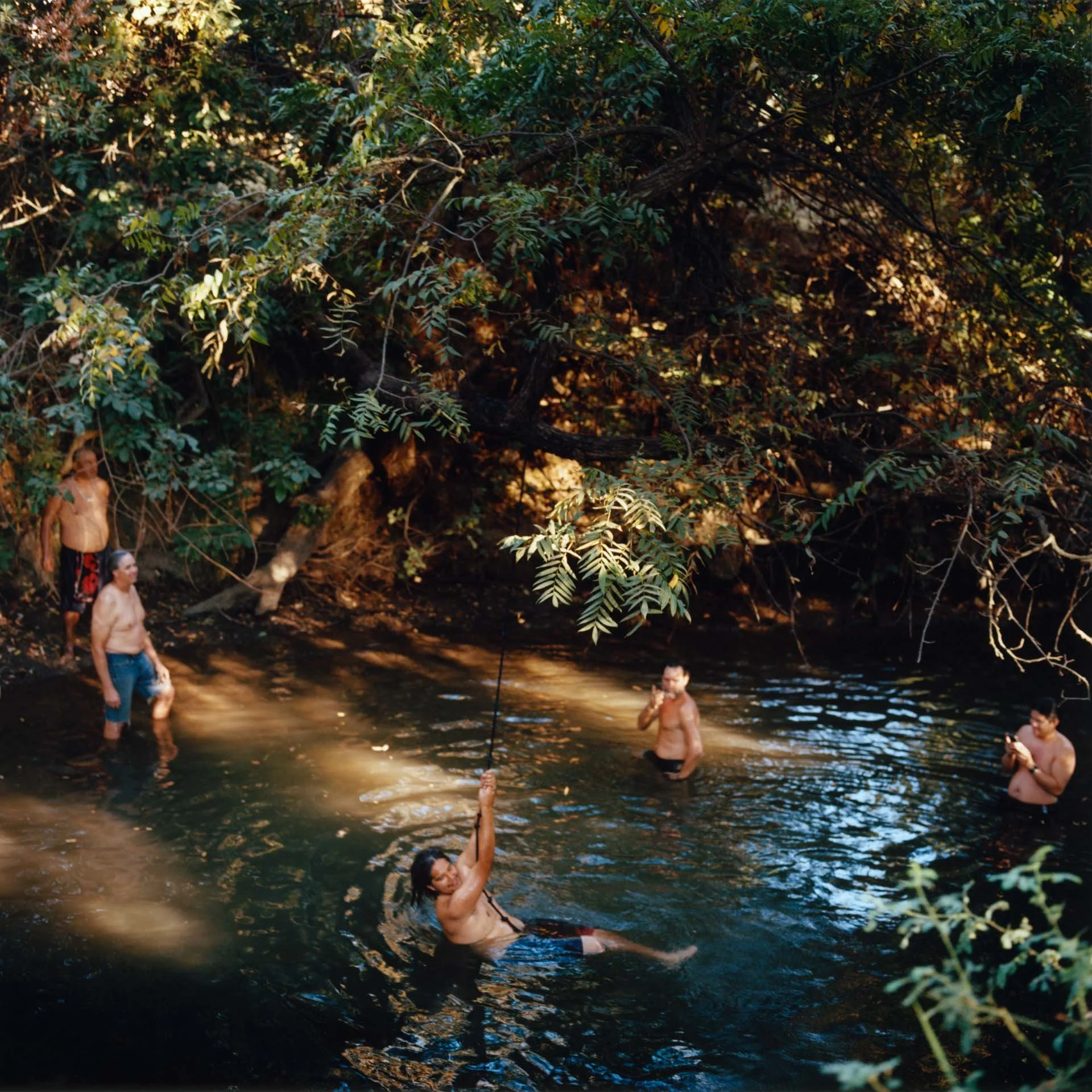
Tribal members of the Winemem Wintu Tribe take a break from the sun to swim in a watering hole near Chico, CA. They are on a 375-mile, two-week journey to Mt. Shasta from the San Francisco Bay to raise awareness to the extinction their sacred Chinook salmon.
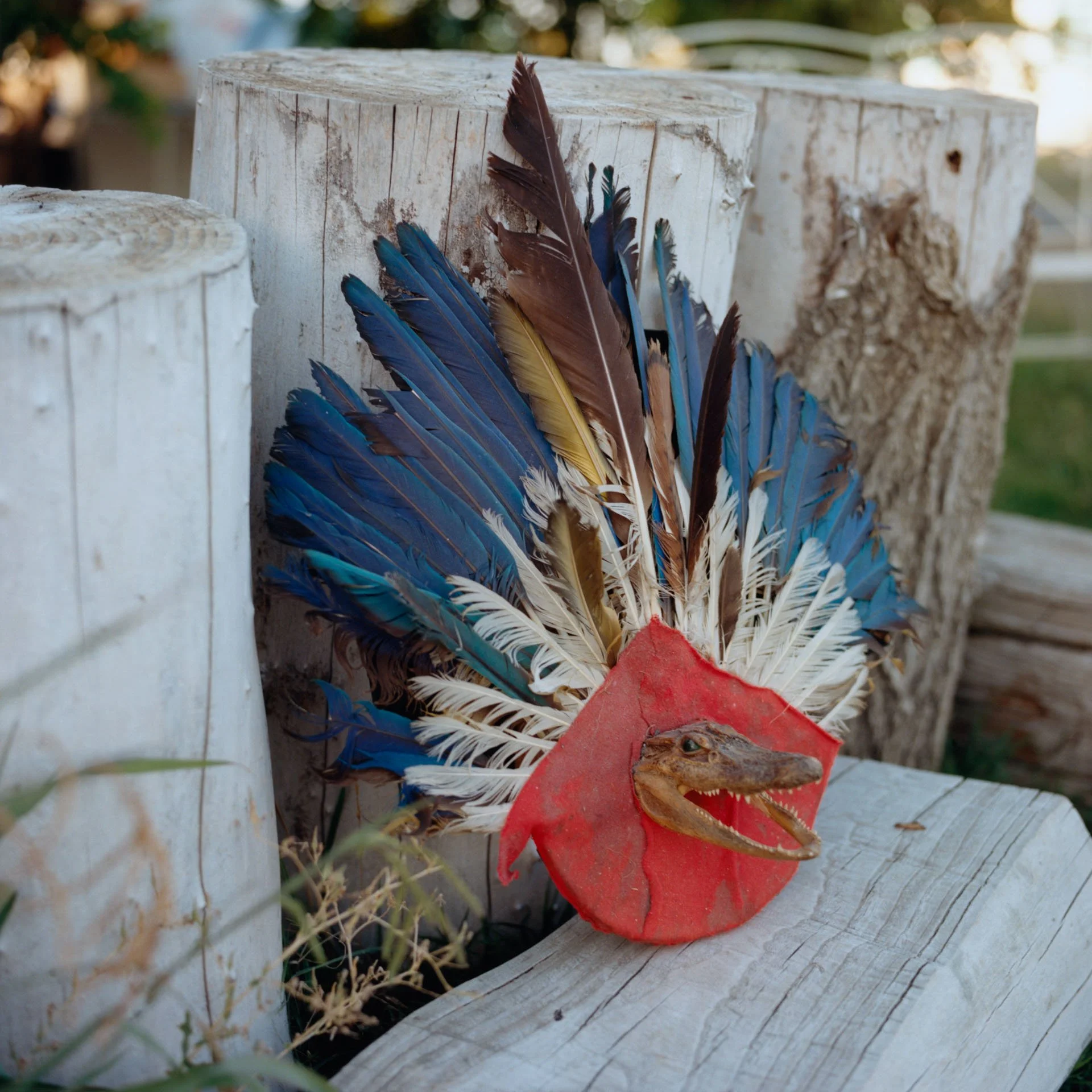
A ceremonial shield sits nearby during preparation for a sweat lodge ceremony at Deganawidah-Quetzalcoatl University.
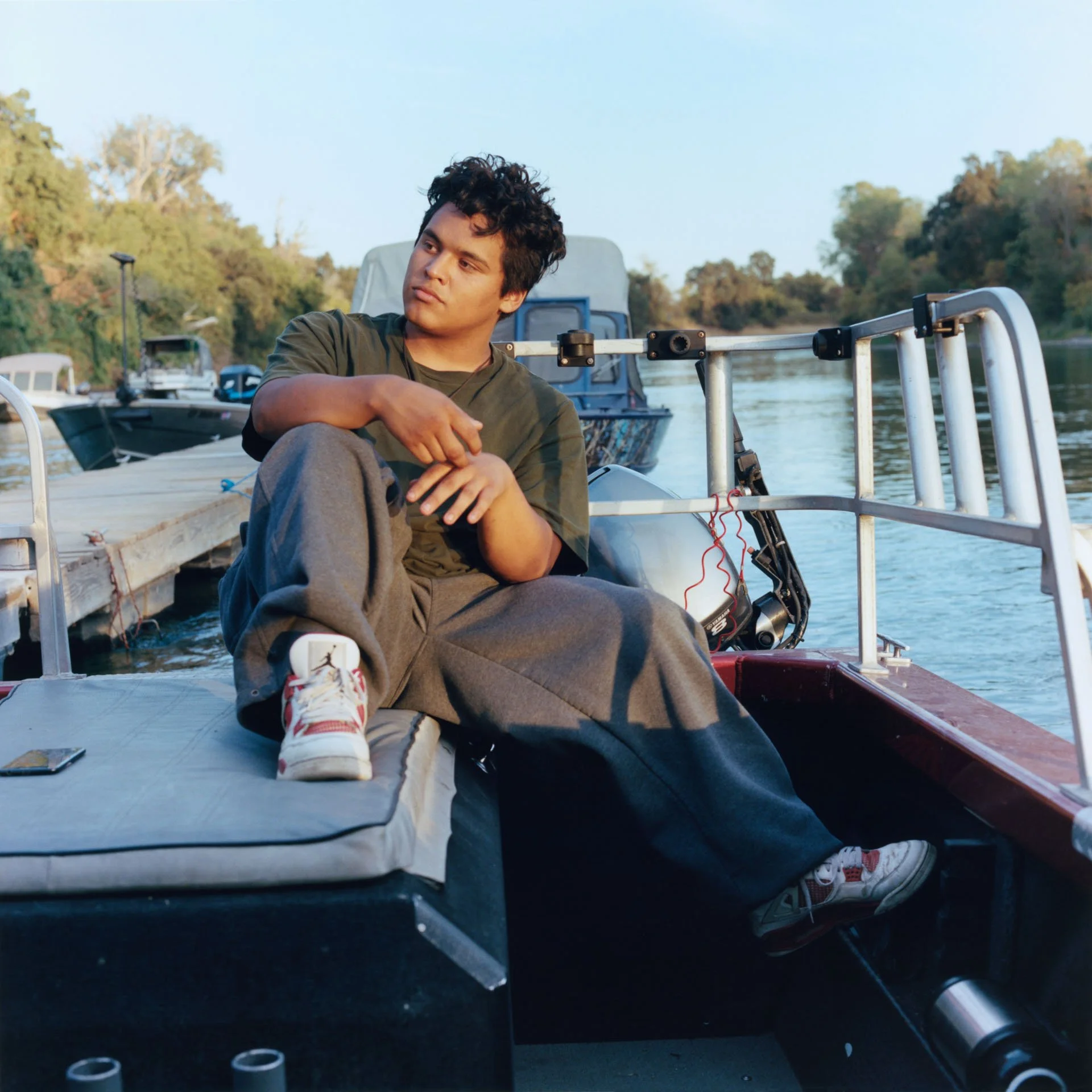
Elijah Oakes, Mohawk & Pomo descent, is the grandson of Richard Oakes, who led the occupation of Alcatraz from 1969-71. Elijah is photographed here during the "Run 4 Salmon" 2-week prayer journey that is led by the Winnemem Wintu tribe. Elijah has carried on his grandpa's legacy in being active in standing up for Native American rights, specifically within various California communities.
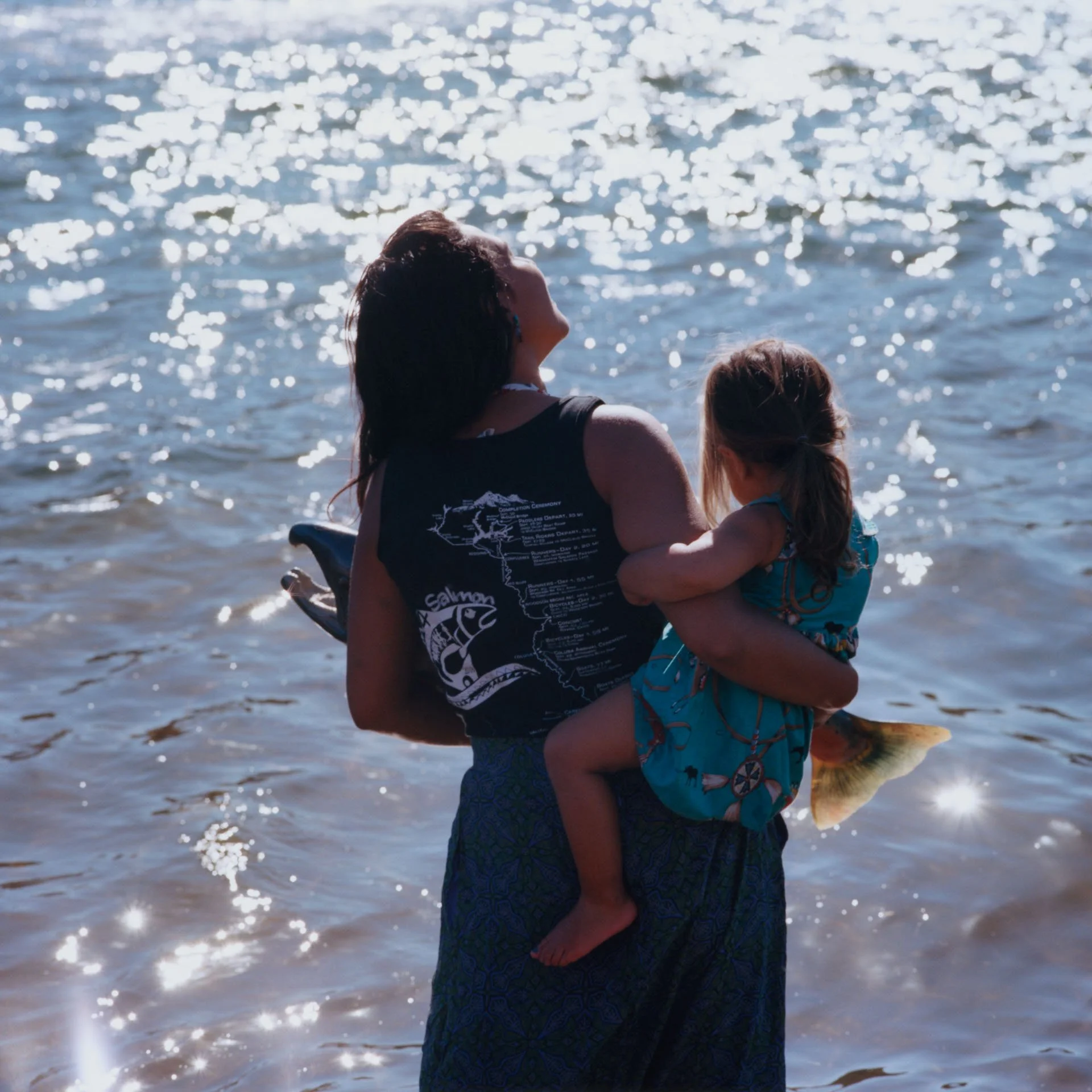
Luna and her daughter Sequoia take a moment during the Run4Salmon journey to pray for the salmon and the healing of the waterways.
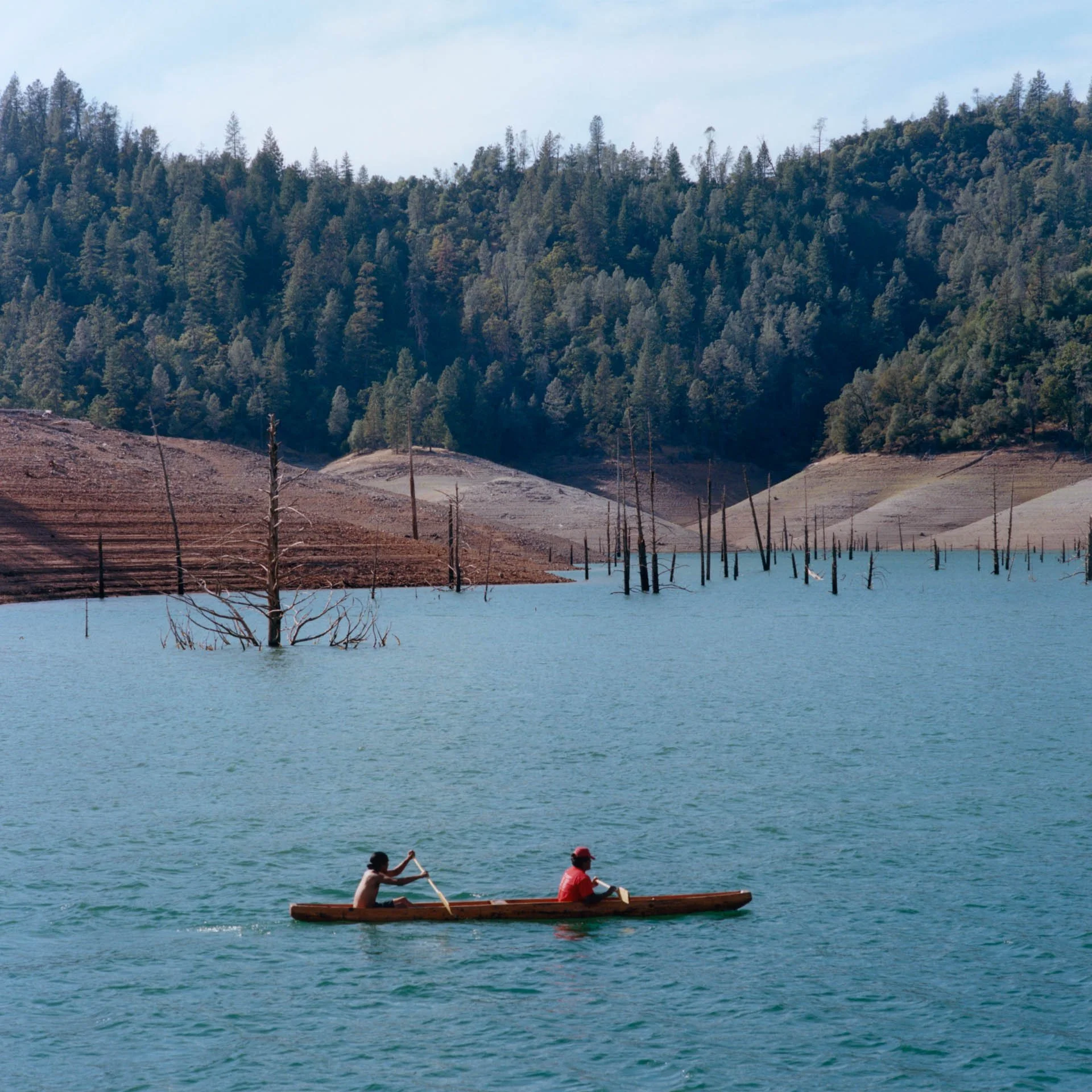
Nick and Elijah are paddling up the Sacramento River in a hand carved dugout canoe. This was a 20-mile boat segment which is part of the overall 375-mile journey that takes two weeks to complete.
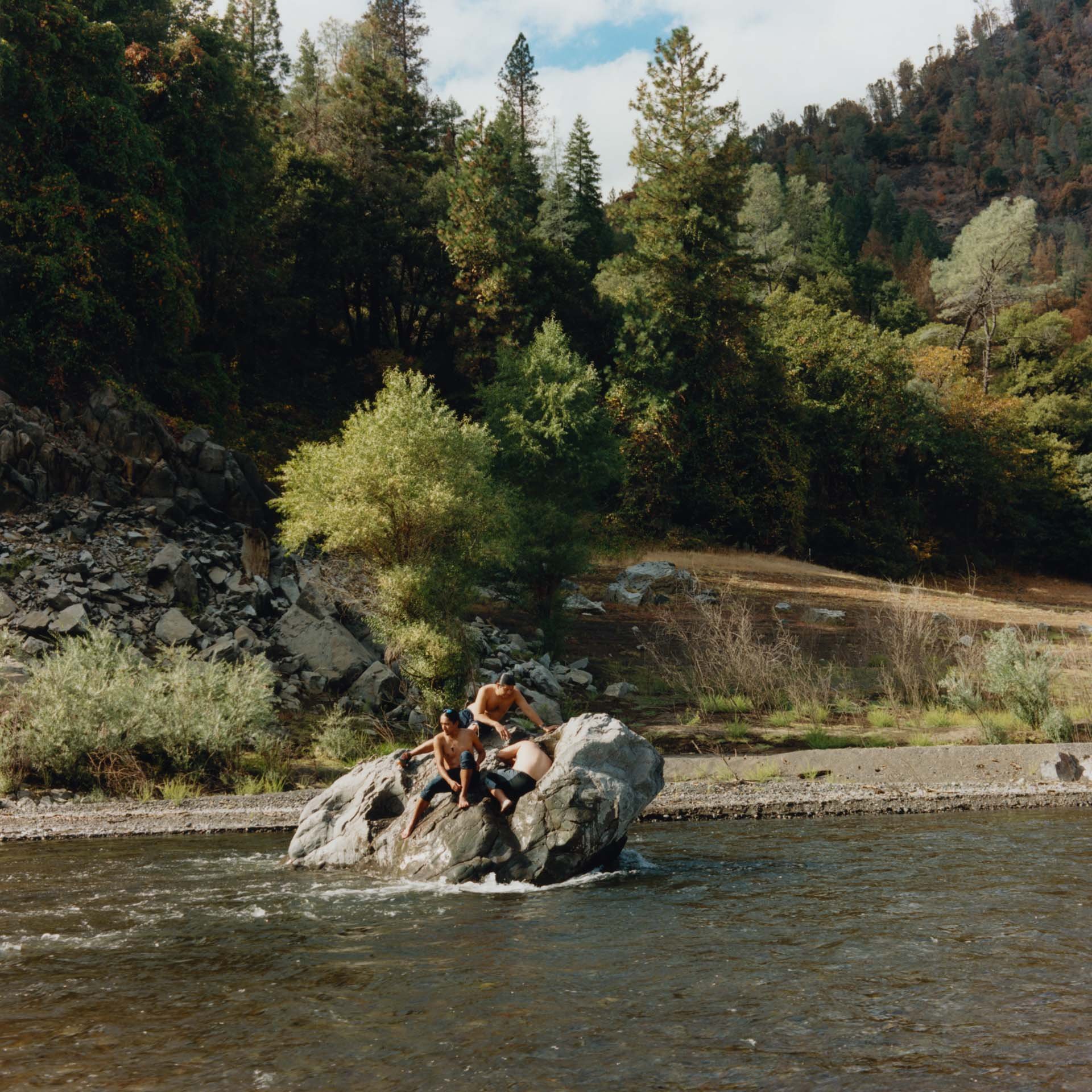
Members of the Winnemem Wintu Tribe wait for the arrival of the participants of “Run4Salmon” to their sacred grounds on the McCloud River.
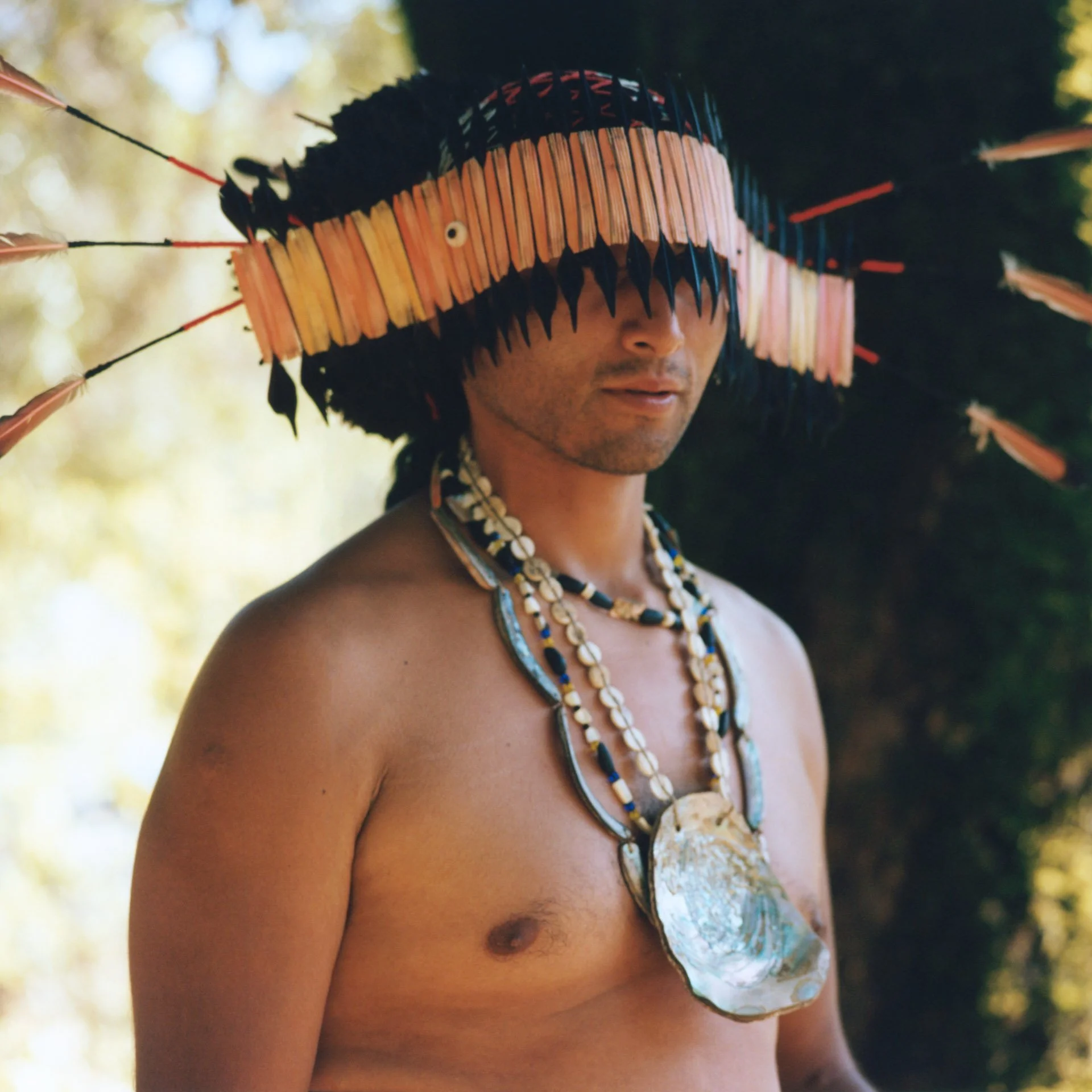
Pom, son of Chief Caleen Sisk, prepares for a ceremonial dance
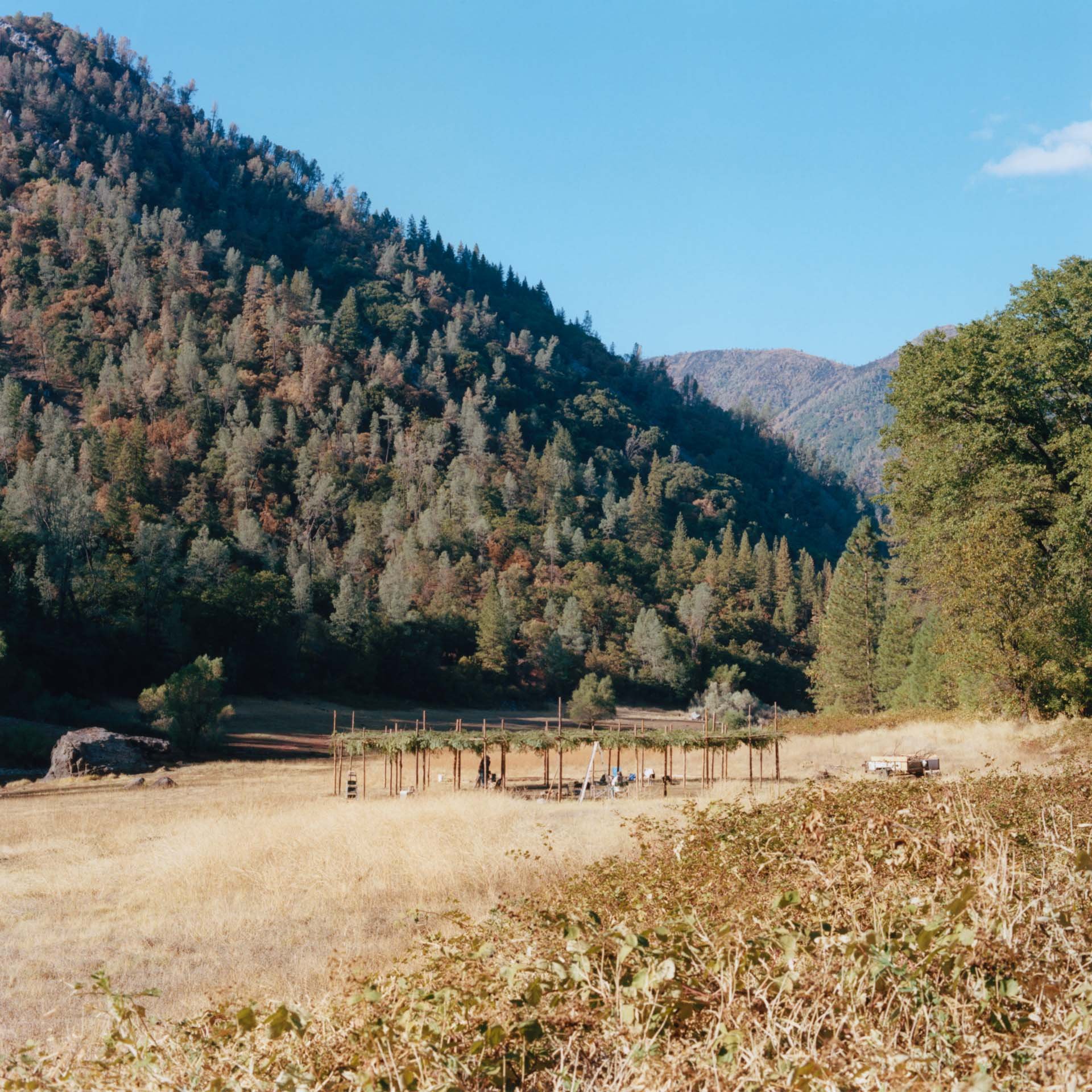
This ceremonial arbor was hand built by the men tribe using tree poles and branches. It was used for the closing ceremony of the 2018 Run4Salmon journey.