
Reservation Life
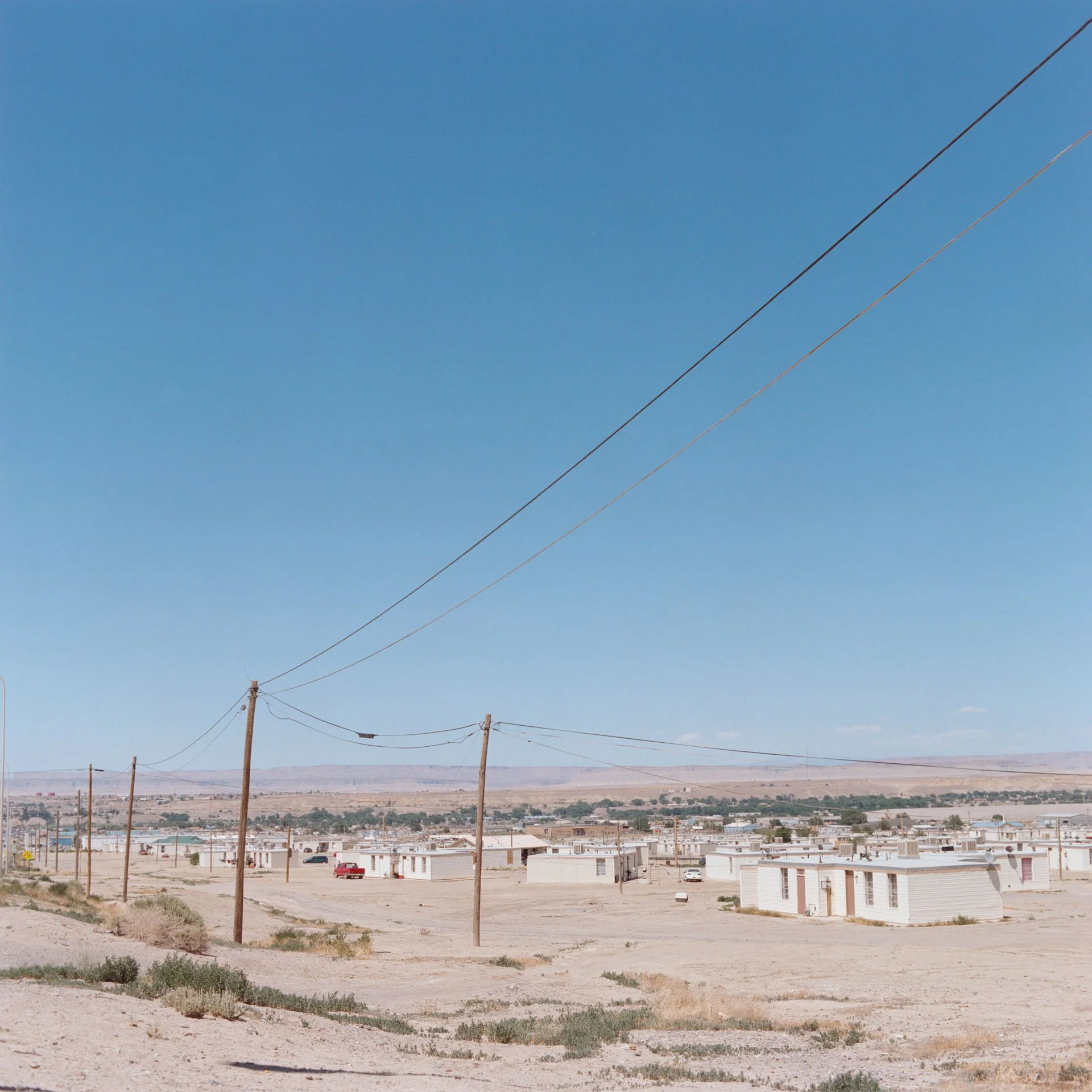
The town of Shiprock on the Navajo Reservation. Many houses on reservations, similar to the ones pictured, are second-hand FEMA structures not equipped to be permanent housing.
The Indian reservation system was established in the late 1800’s by the U.S. government to subdue Indigenous people and take claim over their ancestral lands. The reservations were like a prisoner-of-war camps as Natives were forced there under federal guidance and not allowed to leave. They were left hungry, in extreme poverty and unable to sustain themselves through hunting, fishing or collecting traditional foods that they were normally accustomed to. Sometimes, multiple tribes (even feuding tribes) were thrown together on tracts of land and forced to live there together with empty promises that it would only be temporary. As European settlers moved in and westward expansion grew, the need for more privatized, land ownership became increasingly vital but the Indians stood in the way and reservations were the solution.
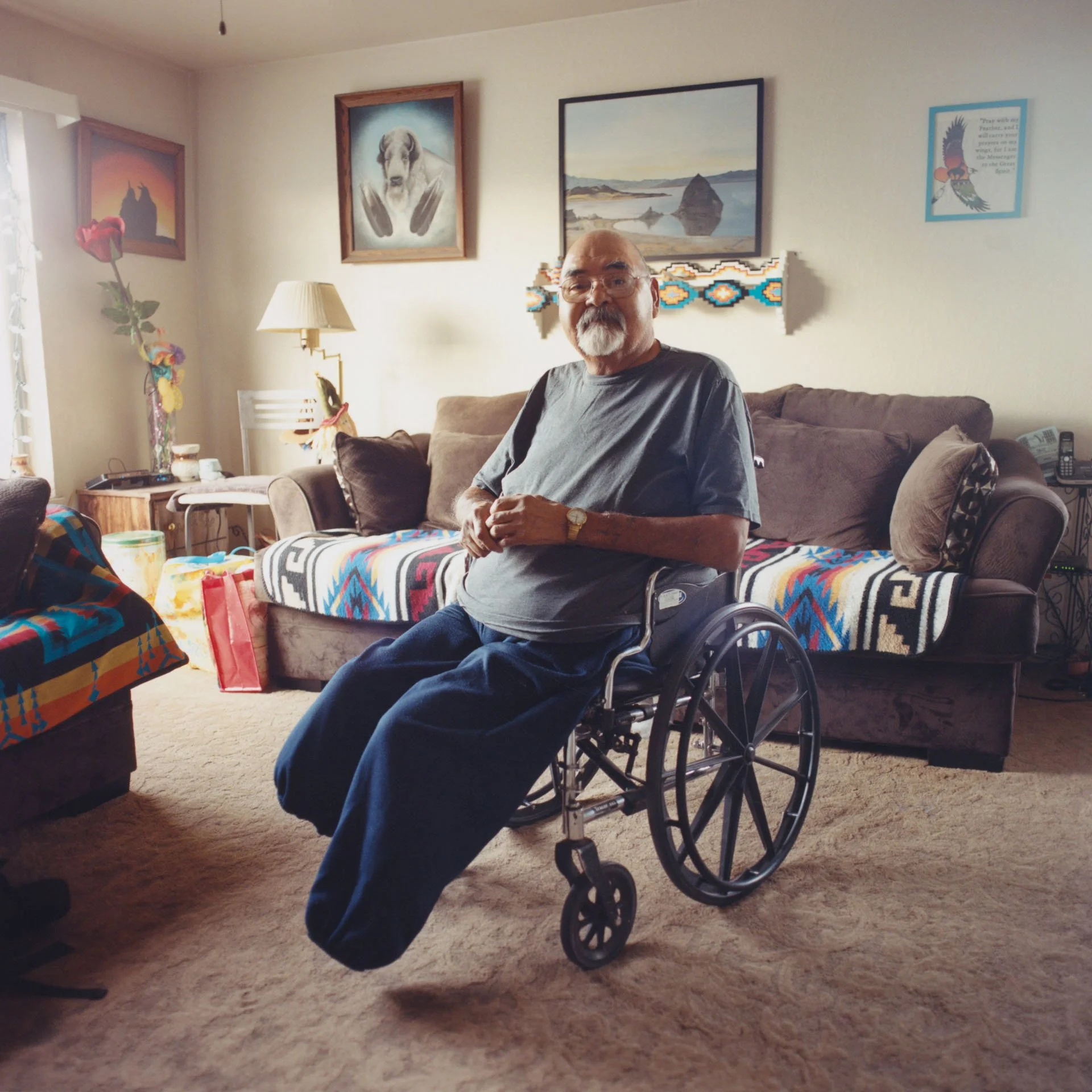
Vincent (Pyramid Lake Paiute) is one of many that suffer from the diabetes epidemic among the Native American population in the U.S. It is estimated that 30% of American Indians suffer from pre-diabetes today. The disease can lead to kidney failure, blindness and limb loss.
Because they were not encouraged to hunt and fish anymore, food rations were provided by the government which introduced these people to foods foreign to their bodies such as: wheat flour, unhealthy greases, dairy and sugar. Because these foods were never part of their diet before, especially sugar, many Native Americans would suffer devastating health issues that continue to this day. According to the U.S. National Research Council Committee on Population, Native Americans suffer from diabetes diagnoses at a rate 2.5 times higher than the U.S. all-races rate. In fact, the Pima Indian Tribe in Arizona has the highest recorded prevalence of non-insulin dependent diabetes in the world. A food commodities program funded by the U.S. Department of Agriculture continues to provide food to about a hundred thousand Native Americans living on reservations today. Rarely is any of the provided food fresh and the commodities are usually canned and boxed with high amounts of chemicals and preservatives. Interestingly, these foods are put in distinct packaging that differentiates them from any non-Native American supplies. These include items such as canned meats, sugary juices, processed blocks of cheese, flour, evaporated milk, peanut butter and oils. Because government-funded food commodity programs have been going on for over 140 years, many Natives today consider foods like fry bread, boxed cheese and canned meats like Spam, as traditional or characteristic Native American foods. Interestingly, these foods symbolize the historical conflicts between the American Indian and the government and the struggle for identity of Indigenous people of the U.S.
“I was hostile to the white man… We preferred hunting to a life of idleness on our reservations. At times we did not get enough to eat and we were not allowed to hunt. All we wanted was peace and to be left alone.”
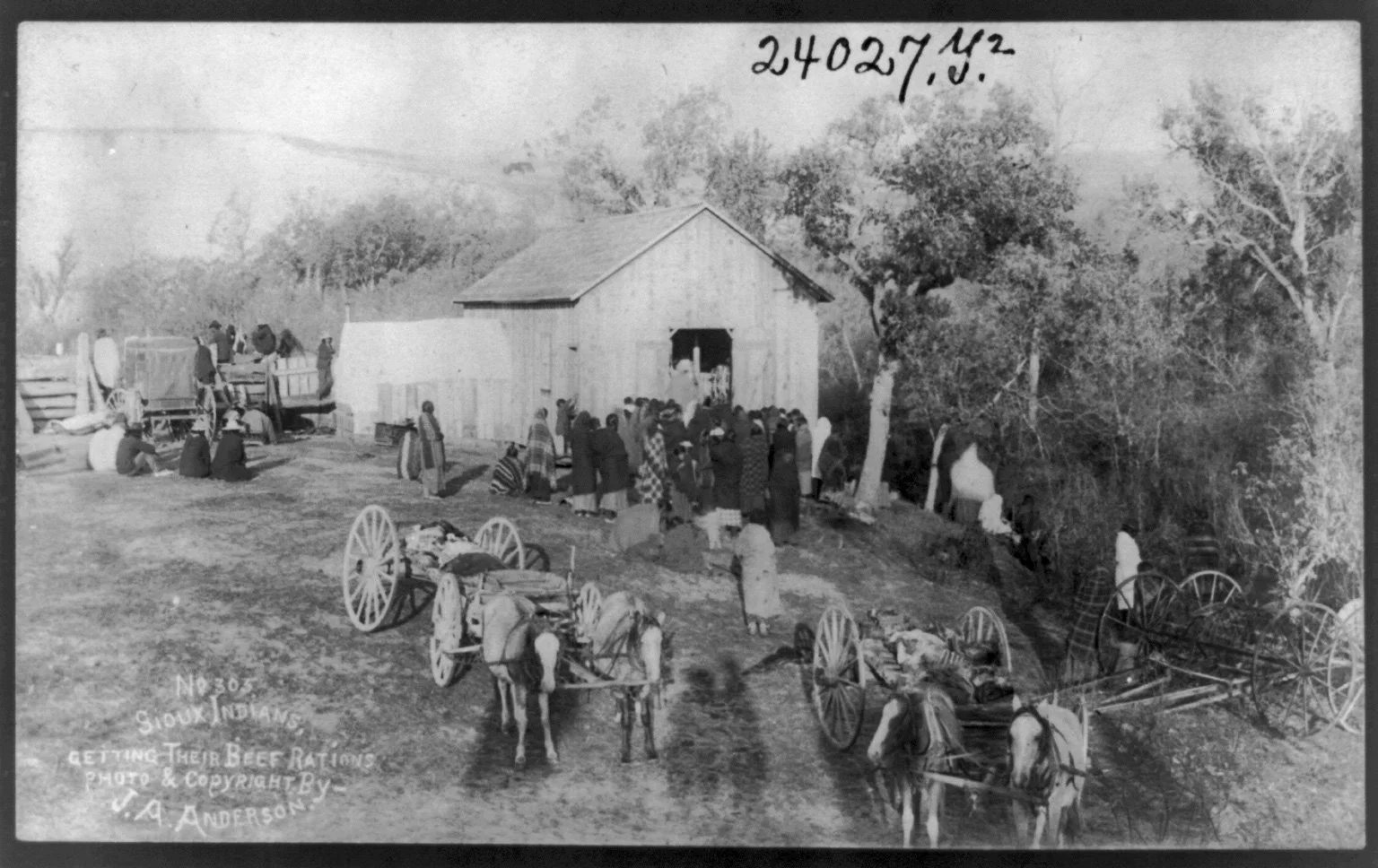
J.A. Anderson, Sioux Indians getting their beef rations on the Rosebud Reservation in South Dakota, 1893. Source: Library of Congress.
The housing crisis on Indian reservations is also a very desperate situation; thousands are homeless and there is a large waiting list, sometimes for years, to obtain tribal housing. This leads to overcrowding and multiple families residing in tight living quarters. On the Pine Ridge Reservation in South Dakota, there is an estimated average of 17 people living in each family home; homes that may have 2 or 3 bedrooms at most. According to the U.S. Commission on Civil Rights, about 40% of homes are extremely inadequate. Many are not connected to sewer or running water and it’s not uncommon for these houses to not have proper kitchen facilities, cooling, or heating. Out of curiosity, many people ask: “what is it like on a reservation?” It wouldn’t be a far stretch to say they are like third world islands within the biggest economy on Earth.
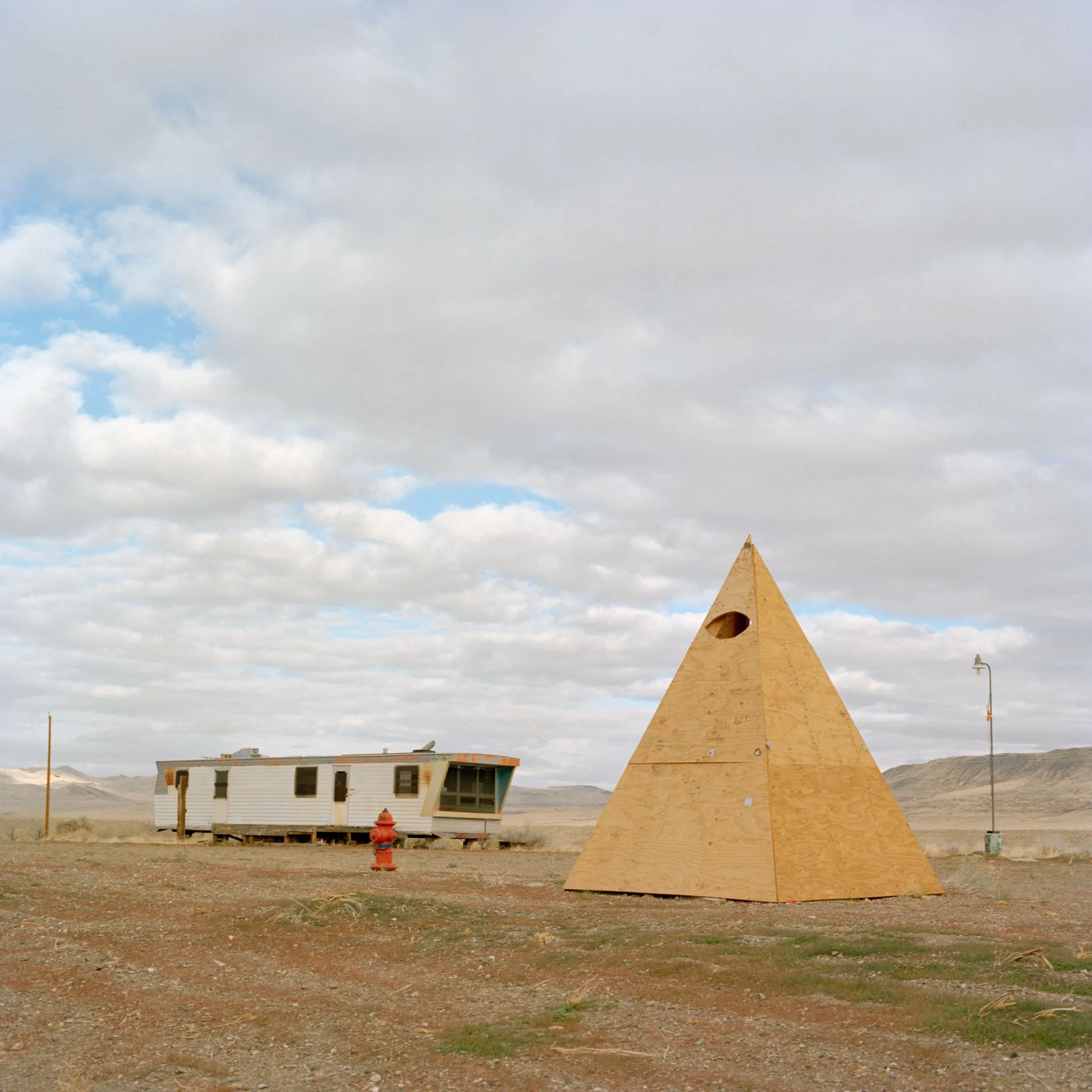
Pyramid Lake Indian Reservation is home to the Northern Paiute tribe in Northern Nevada
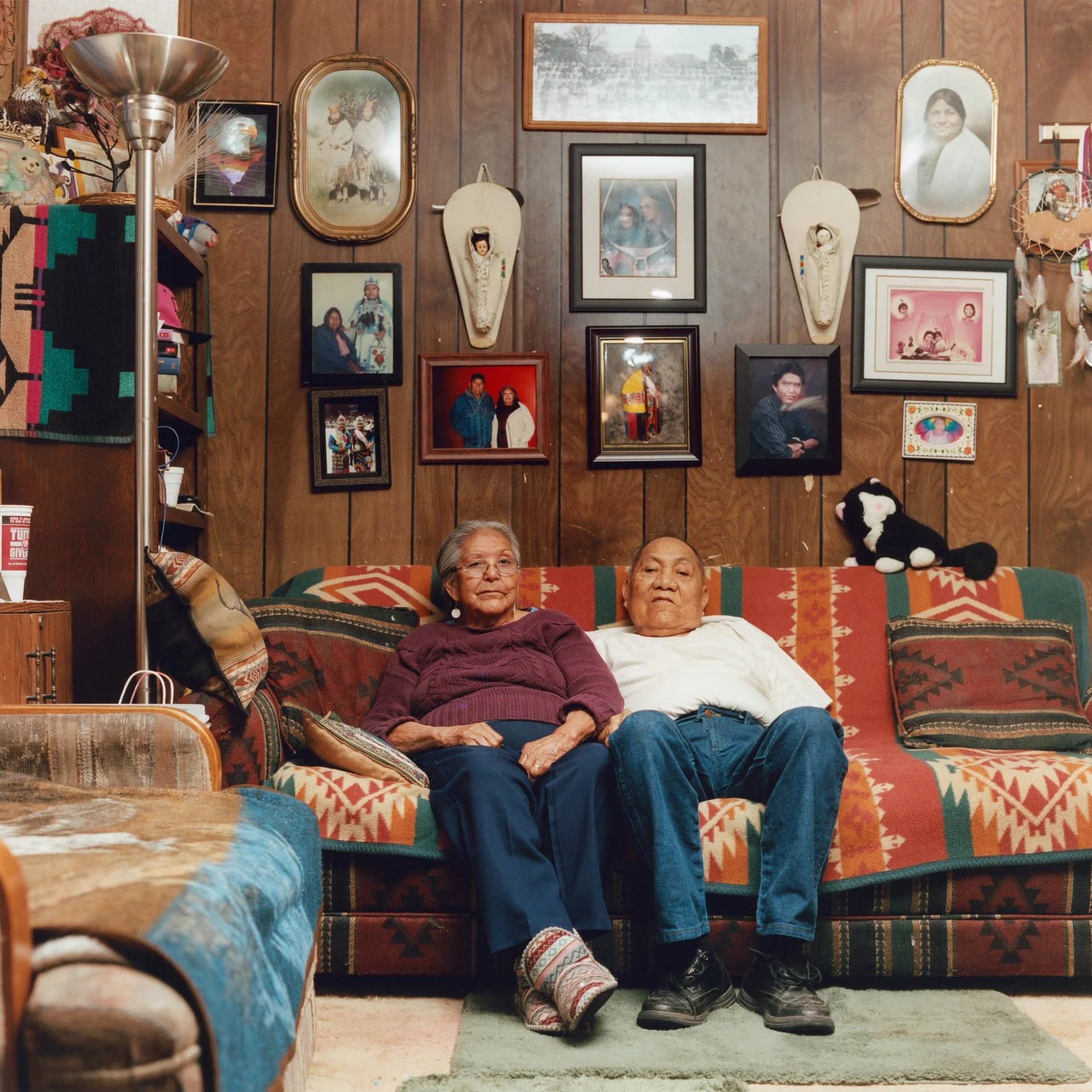
This lovely couple, Ula and Tim, belong to the Eastern Shoshone Tribe on the Wind River Indian Reservation in Wyoming. They have been living on the reservation since before the introduction of running water and electricity. The couple raises their great-granddaughter, teaching her about "the old ways". In Native American culture, it’s not uncommon for 1st born children to be raised by their grandparents or great-grandparents. It’s a way for newer generations to learn “the traditional ways” directly from their elders.
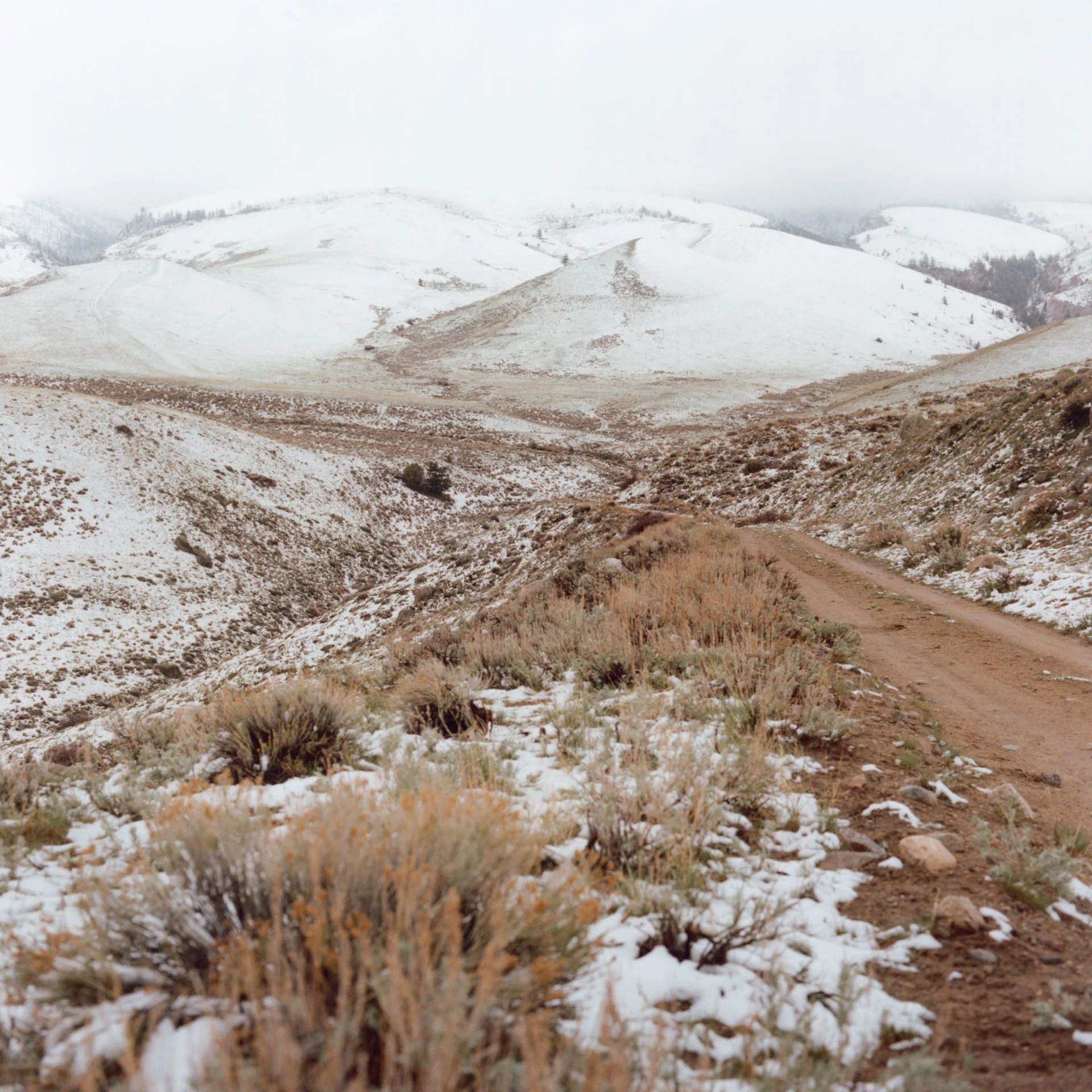
Wind River Indian Reservation is thirty-five-hundred square miles of prairie and mountains in western Wyoming. The reservation is home to bitter ancestral enemies: the Eastern Shoshone and Northern Arapaho tribes. The two tribes were forced to share reservation land in 1868 but even today, tension between the two still exists.
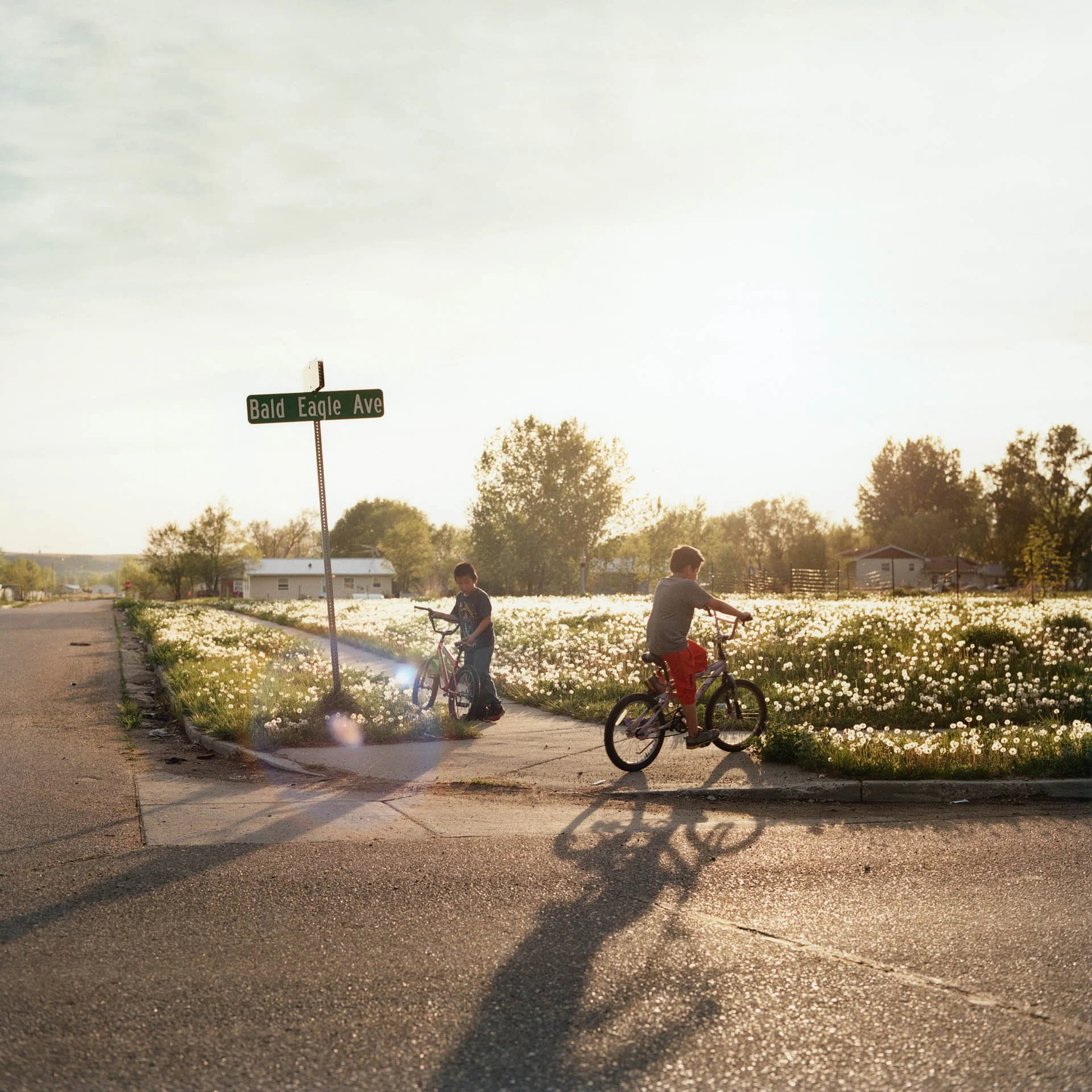
Kids play with their bikes at sunset in Fort Yates, Standing Rock Indian reservation.
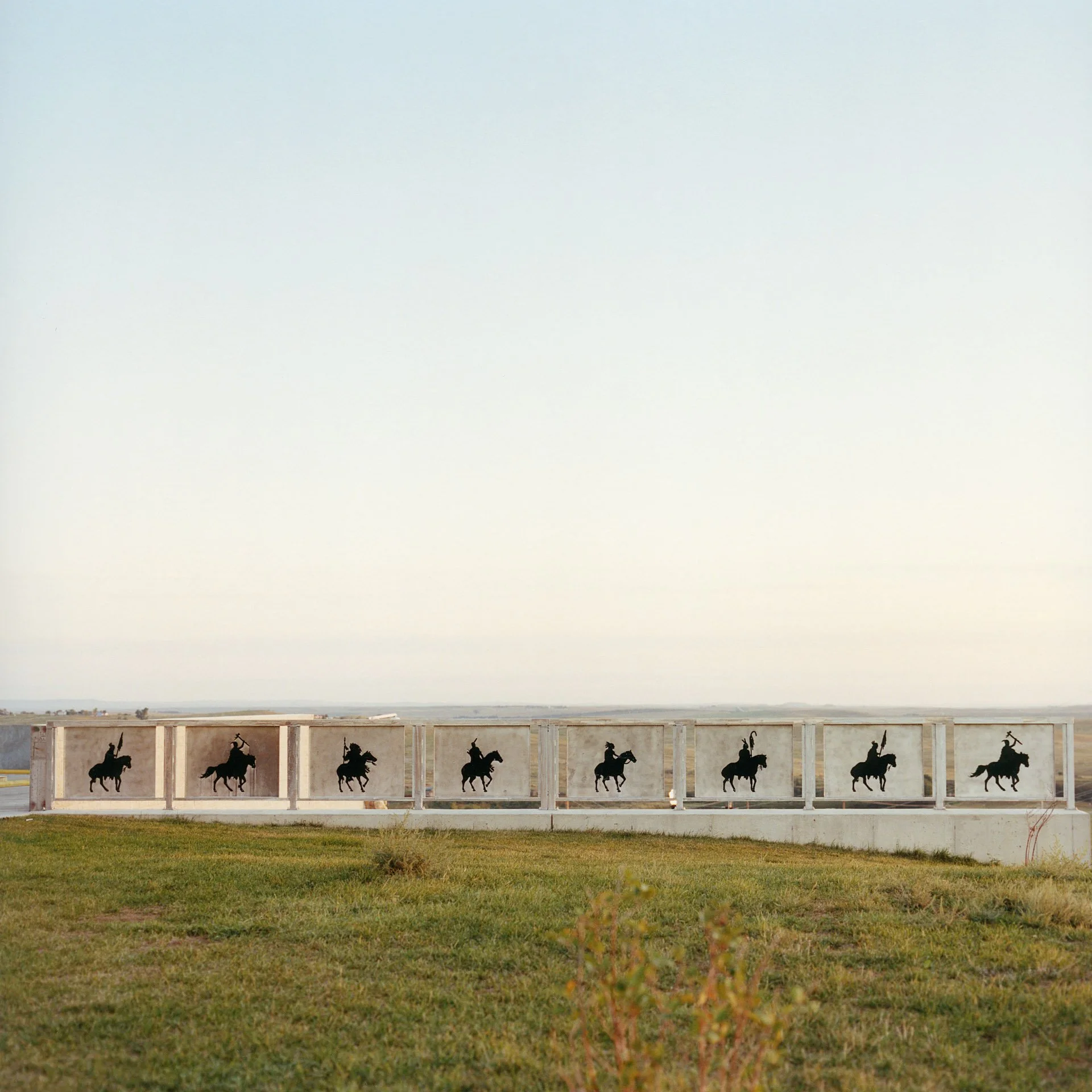
The silhouettes of war chiefs on horses are engraved on decorative fences just outside Prairie Knights Casino, located on the Standing Rock Indian Reservation in North Dakota
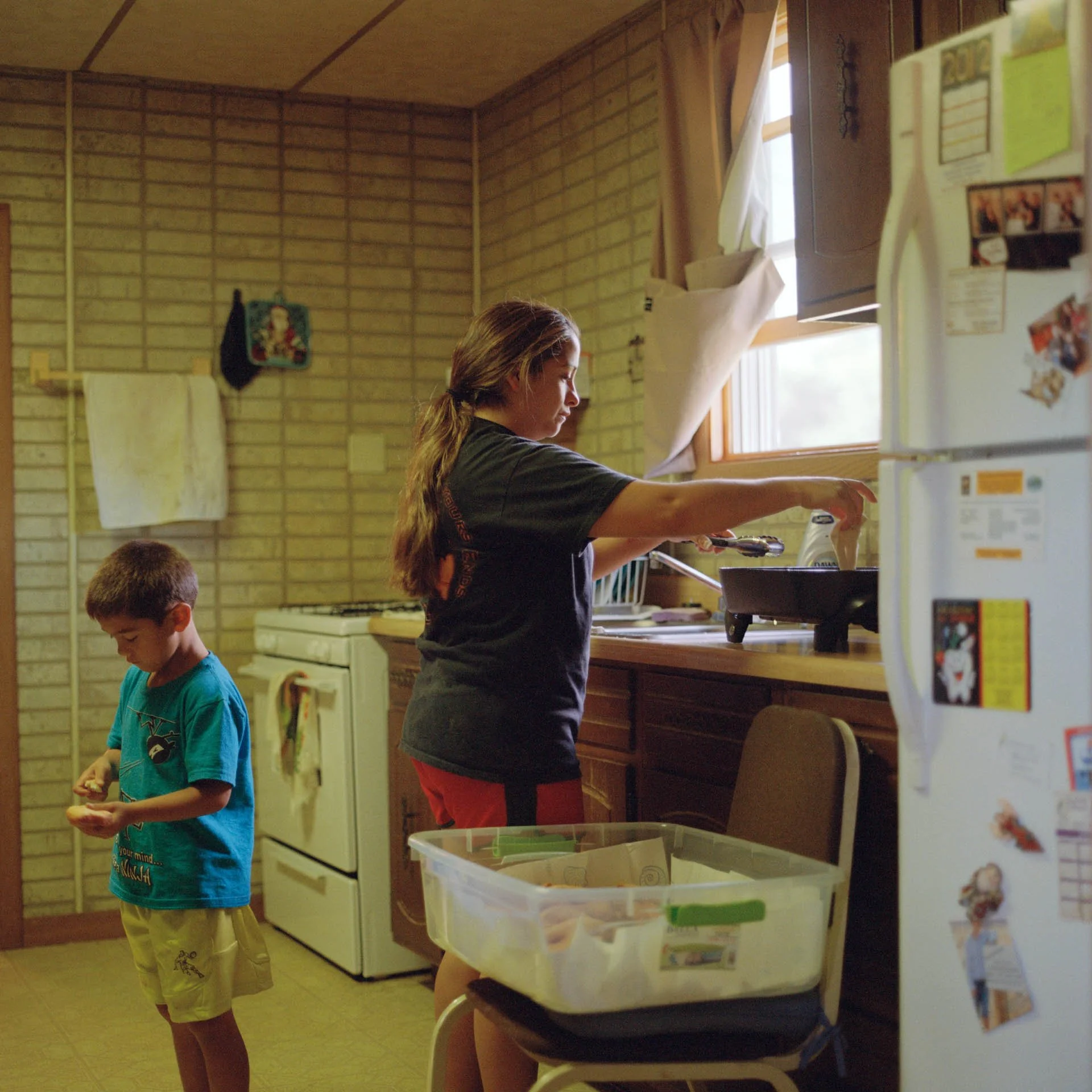
Gina, Lakota, works in her kitchen making home made fry bread for an upcoming family ceremony. She lives on the Standing Rock Sioux Reservation and raises her two sons while working as the only woman tribal police officer on her reservation.

Scott Jr. receives a haircut from his dad while his kid sister hangs out with them in the kitchen. They are a musical family that reside on the Pine Ridge Indian Reservation and travel around Indian Country performing in their family band.
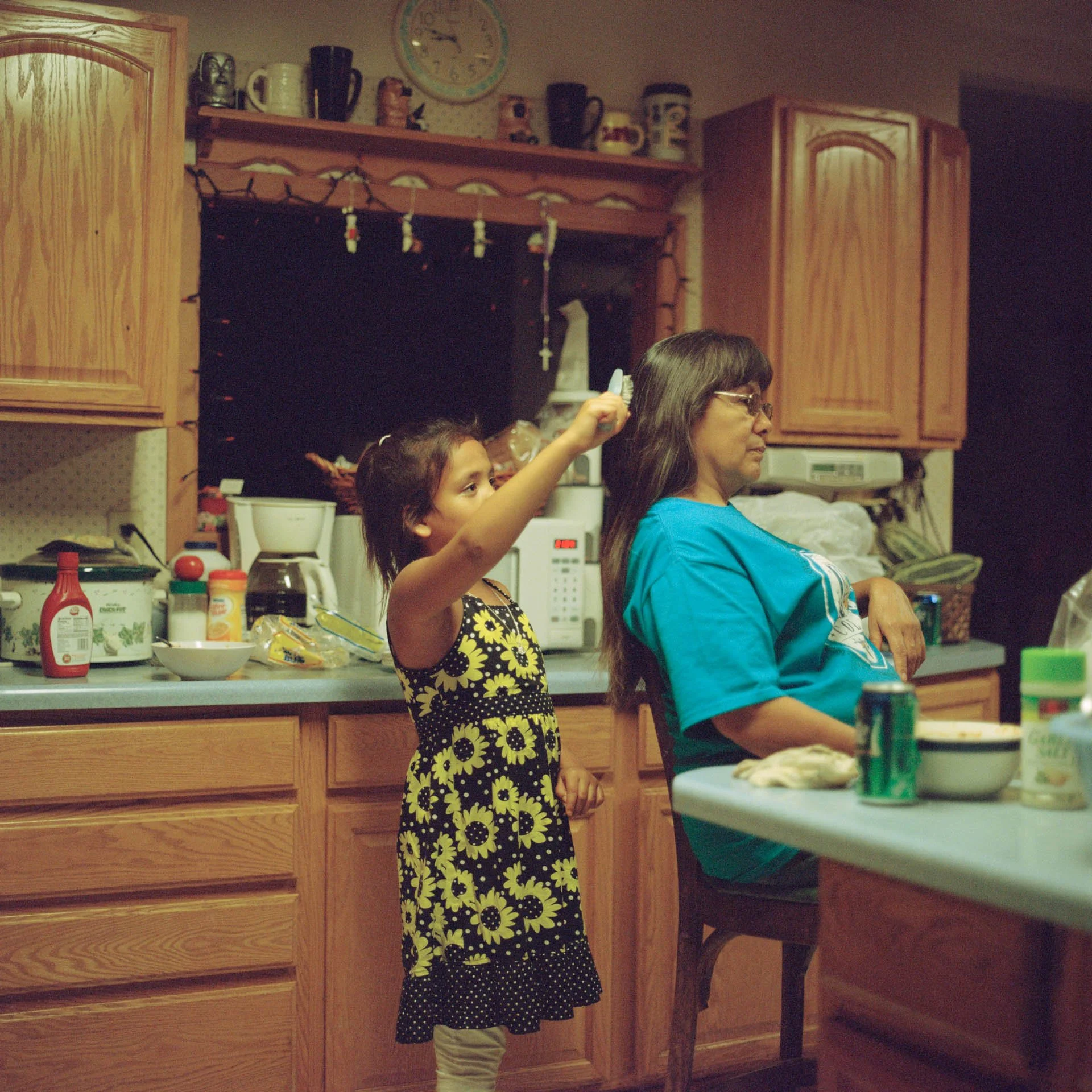
Kennedy, Lakota, brushes her grandma’s hair in the kitchen on the Standing Rock Indian Reservation. She is very close to her grandma and they often bond through cooking and baking together in the kitchen.
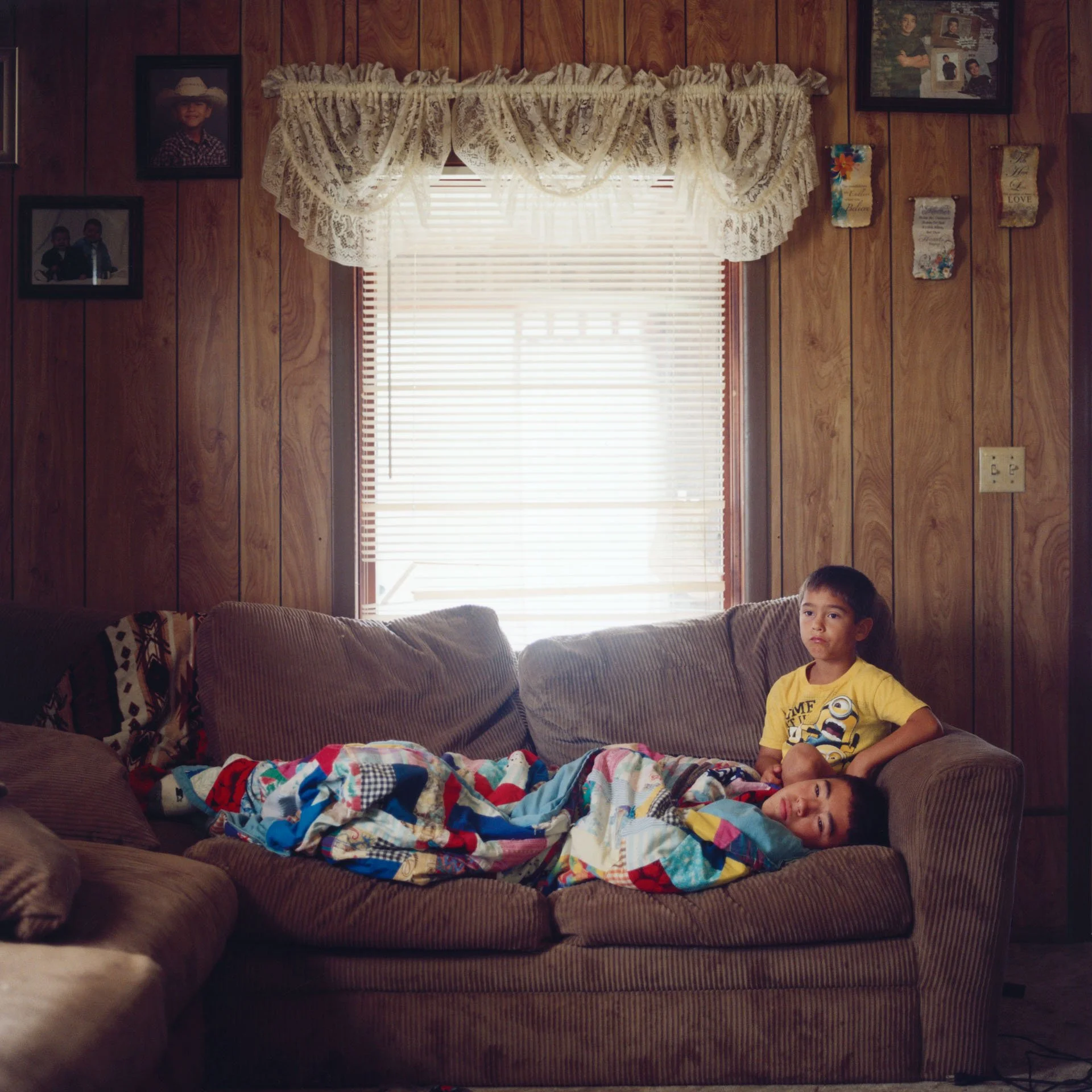
Two brothers, Hudson & Alex, watch TV on a Sunday morning while their iná (mother) makes fry bread from scratch in the kitchen for an upcoming ceremony.
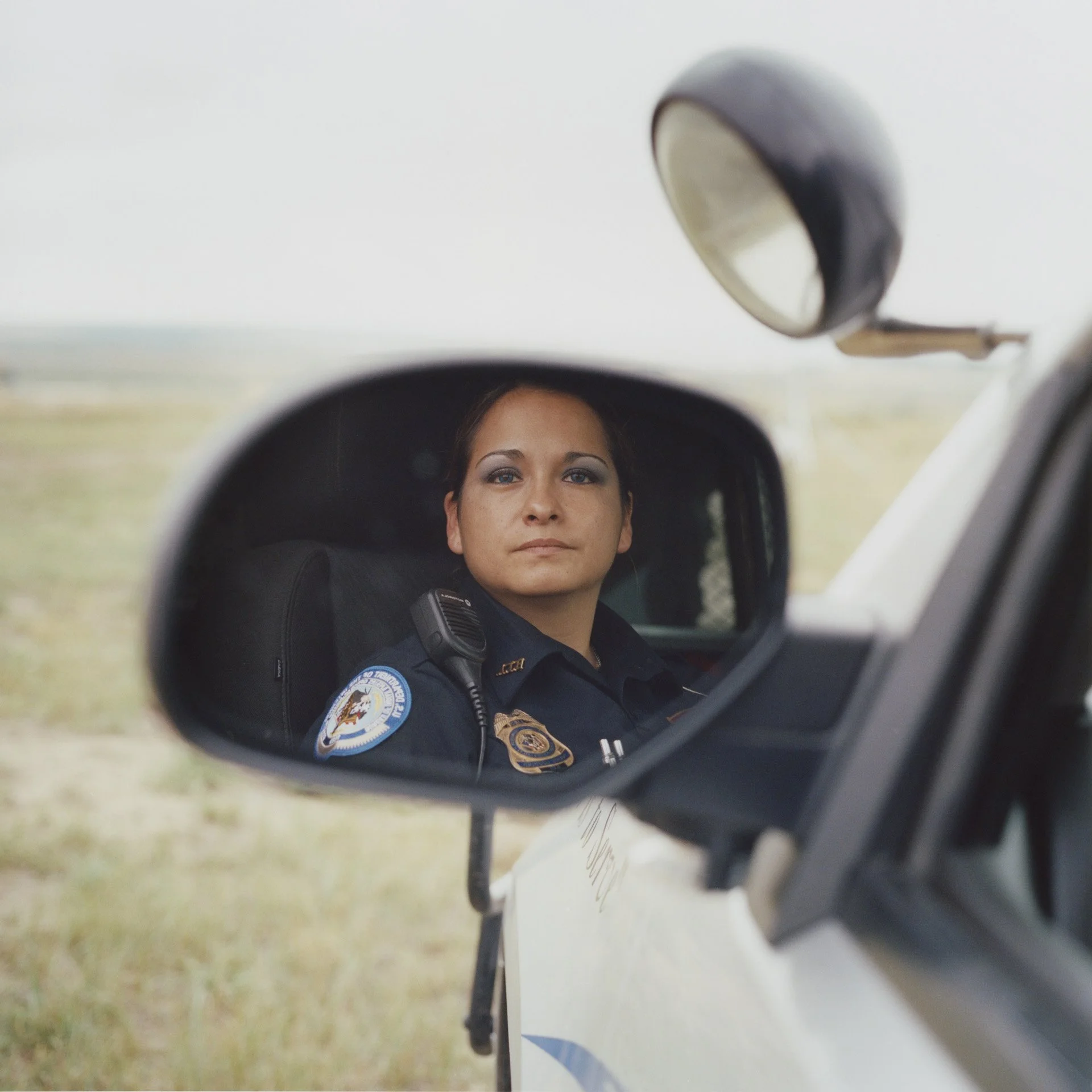
She is single mother, Army veteran, and a federal police officer for the Standing Rock Sioux Tribe. After her brother’s mysterious death that left her family with unanswered questions, she was motivated to become a tribal police officer to bring justice for other people that may be facing the same. Sovereign Indian reservations have their own police force and judicial system, but do not always have jurisdiction to solving crimes that happen on federal lands. Unfortunately, this often leads to cases that often go unsolved.
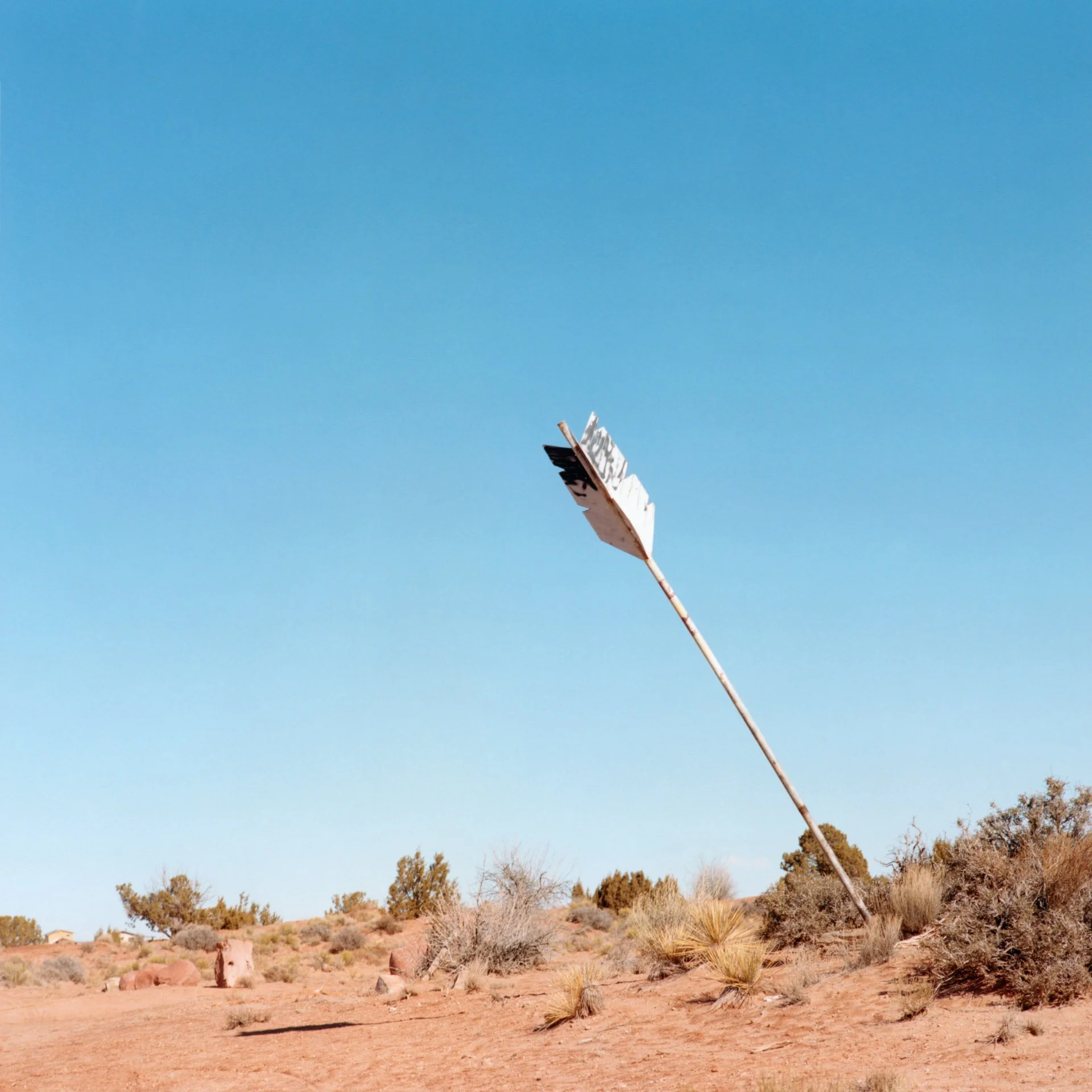
An arrow sculpture within the landscape of Monument Valley.
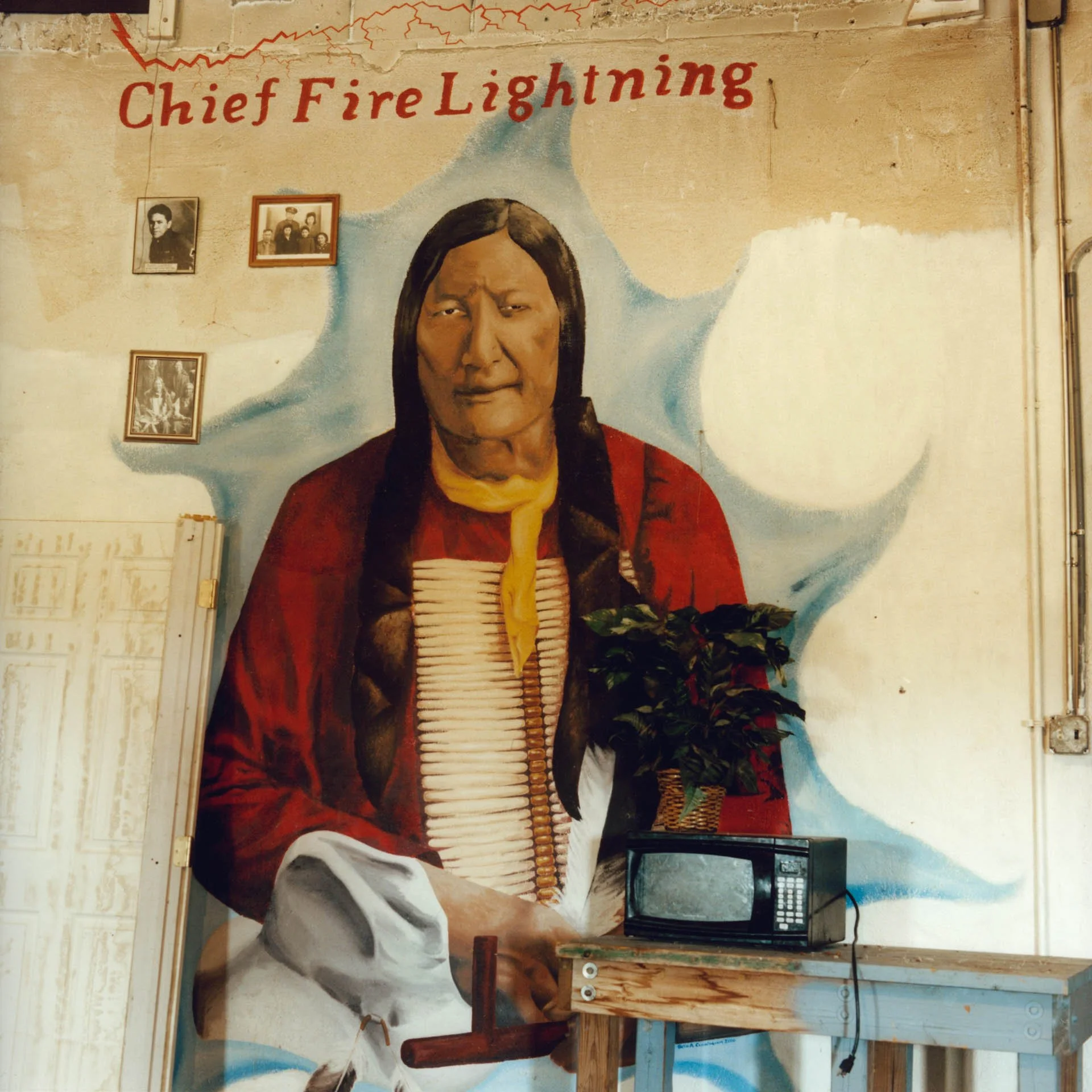
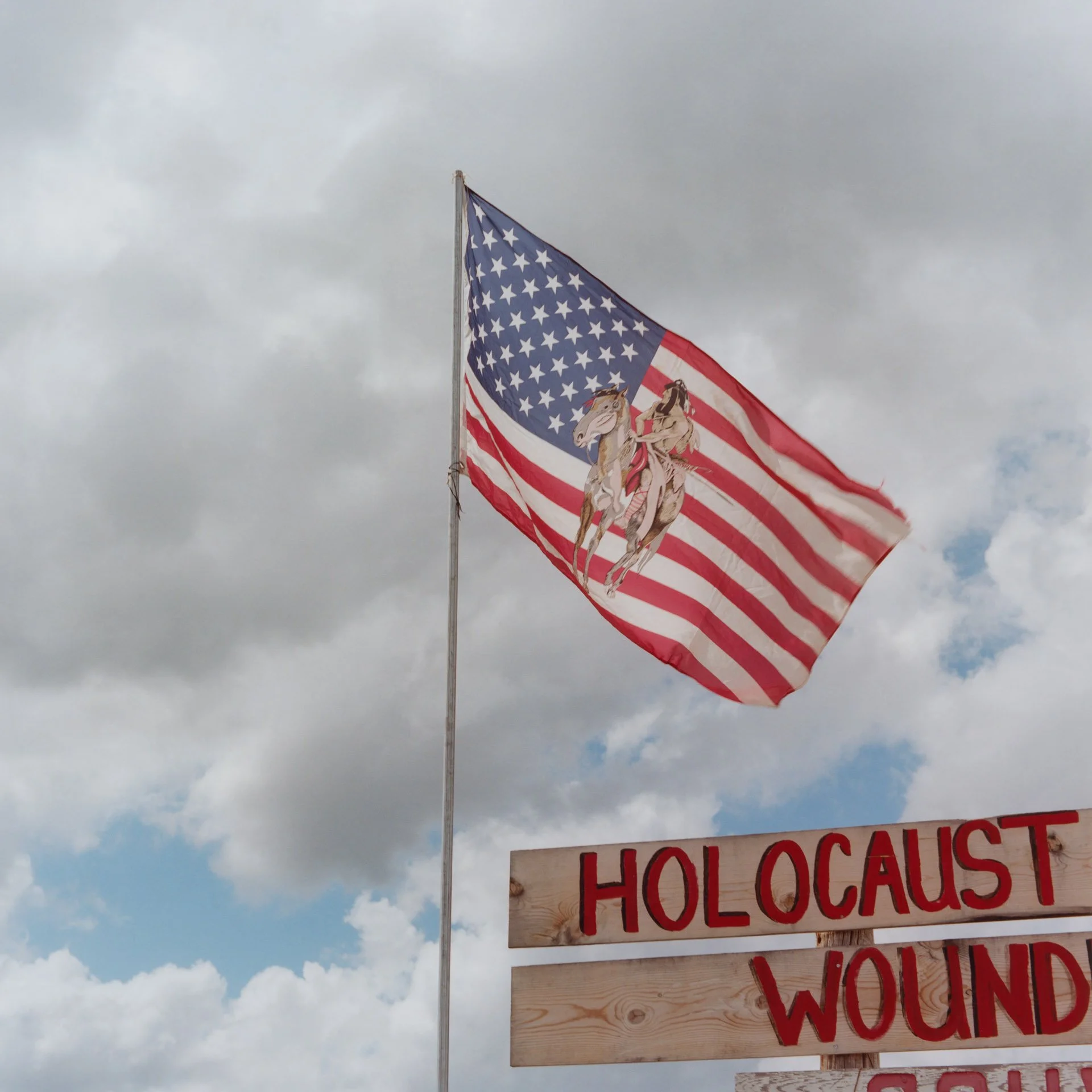
A mural inside the Holocaust Museum at Wounded Knee on the Pine Ridge Indian Reservation.
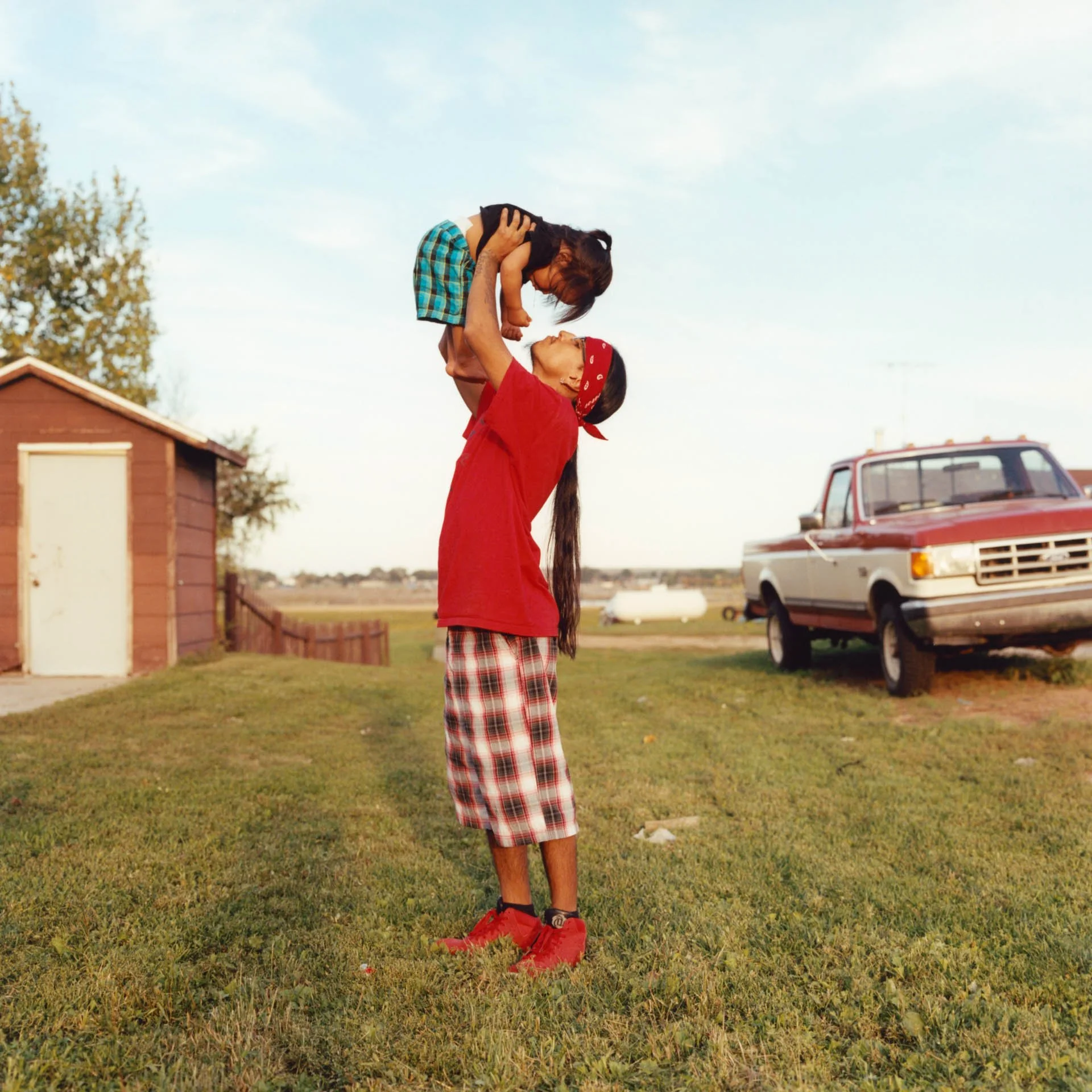
Julian is a single father who works at the local casino on the Standing Rock Sioux Reservation. Shortly after the birth of his son, the mother abandoned them both, leaving Julian to be the sole caregiver of Elijah. Both parents had succumbed to alcohol addiction and Elijah’s mother wasn’t able to cope. Julian himself was abandoned by his mother for the same reasons and his own childhood experiences motivated him to sobering up and be a strong role model for his son.
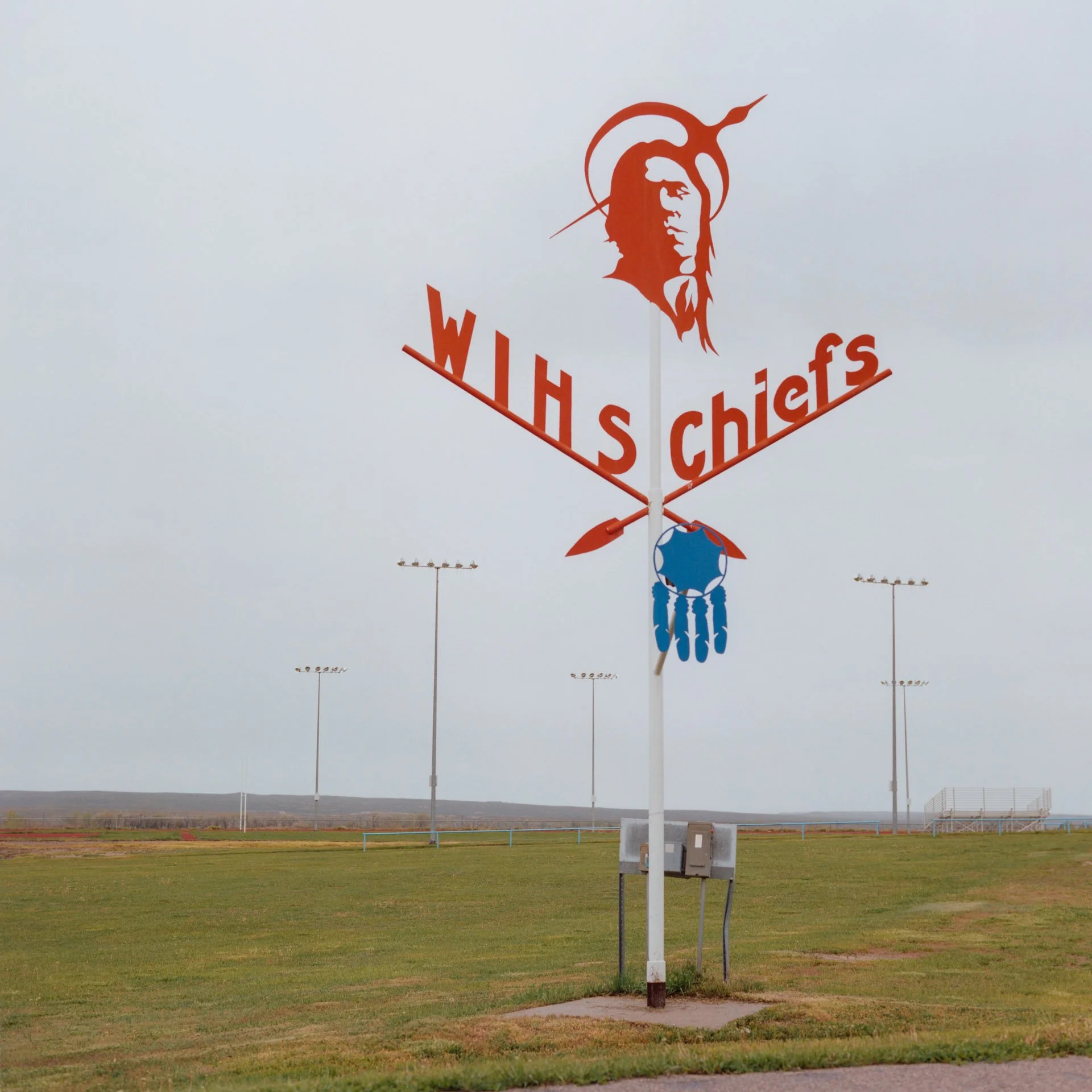
The high school sign of the football field on the Wind River Indian Reservation in Wyoming. Native American terms and iconography are often controversially used outside Native communities as sports team mascots with the most notorious example being the Washington Redskins. This is often perceived as cultural appropriation and there have been several attempts to change the name and mascot.
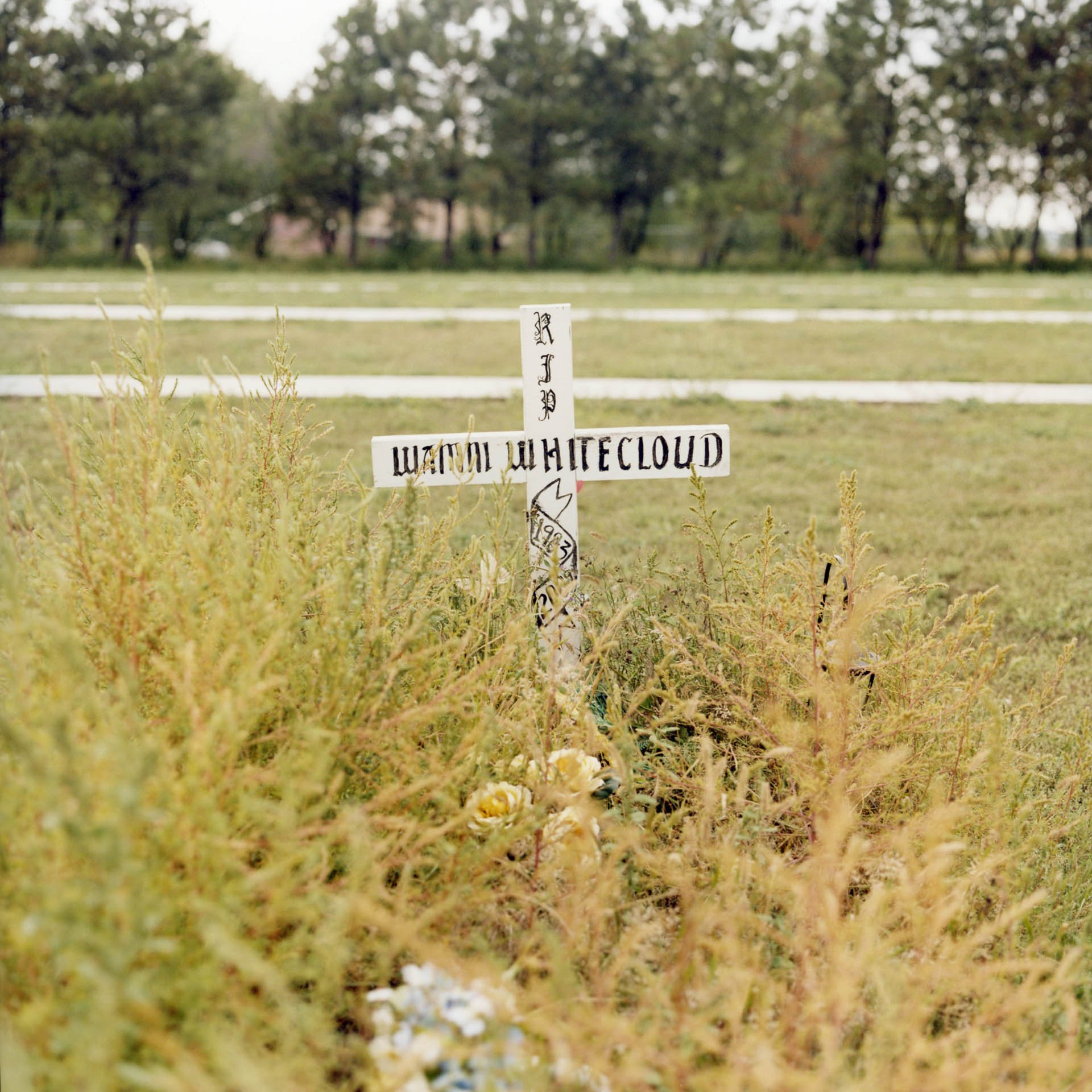
Wamni is one of many teenagers on reservations who have been killed in a car accident. Car accidents and suicides are tragically common among young Native teens and adolescents. Teen suicides among American Indian and Alaskan Native populations are triple that of the U.S. average. “‘Suicide pacts are common among kids in high school”, reveals one woman we spoke to on the Standing Rock Sioux Reservation. Out of 12 teens in her graduating class, only four survived due to a suicide pact.
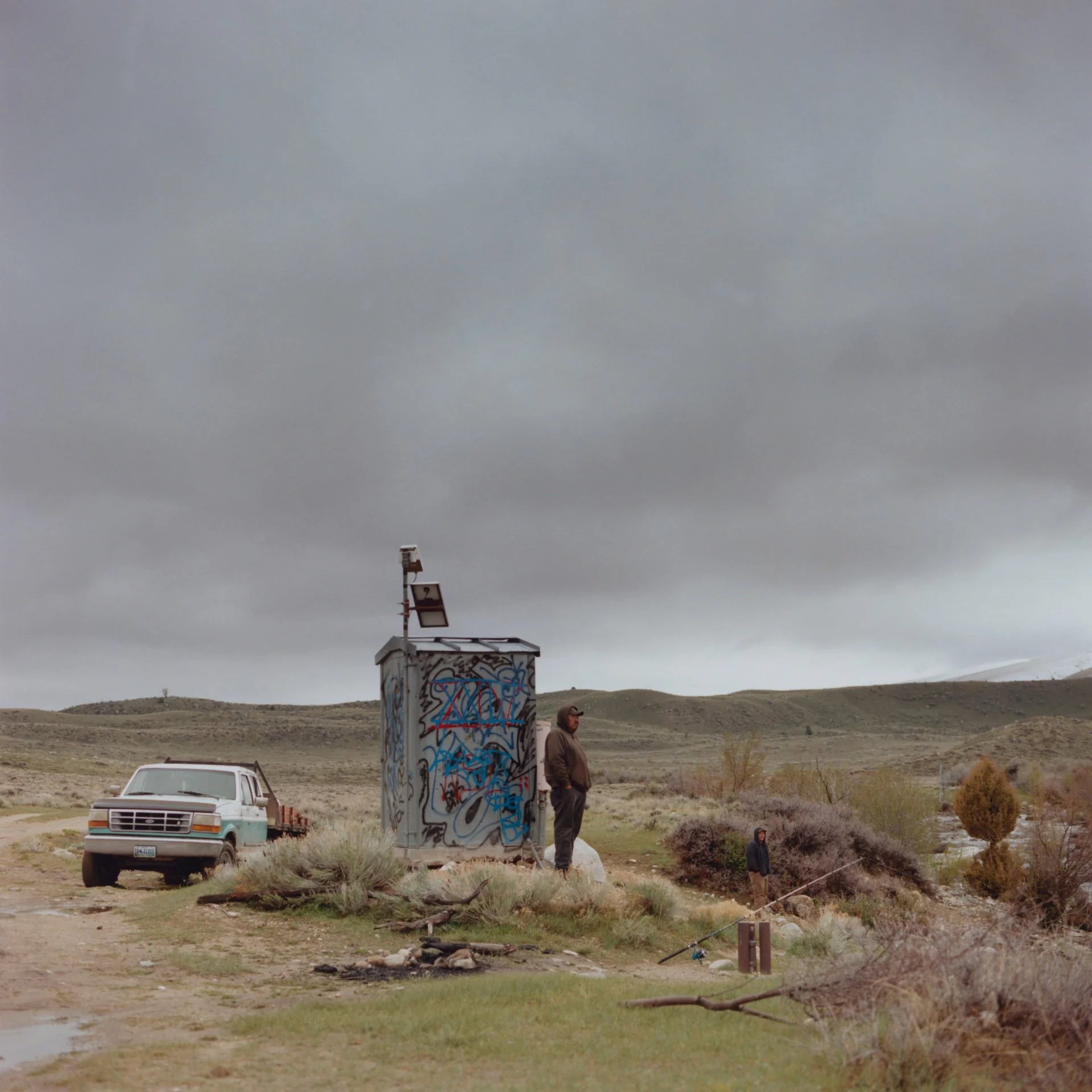
A group of people fishing at a resevoir on the Wind River Indian Reservation.
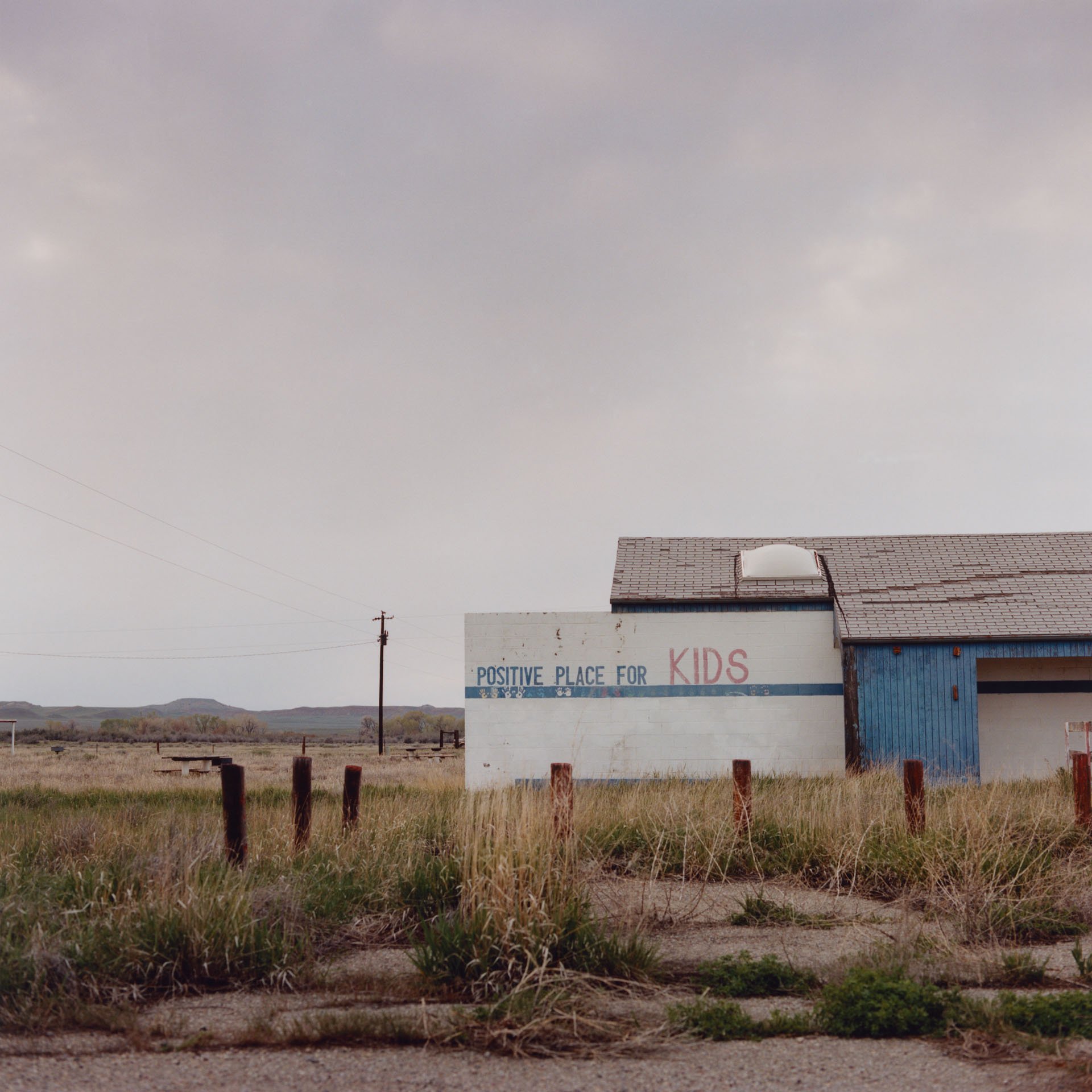
What was once a “positive place for kids” to spend their time is now an abandoned building on the Wind River Indian Reservation.
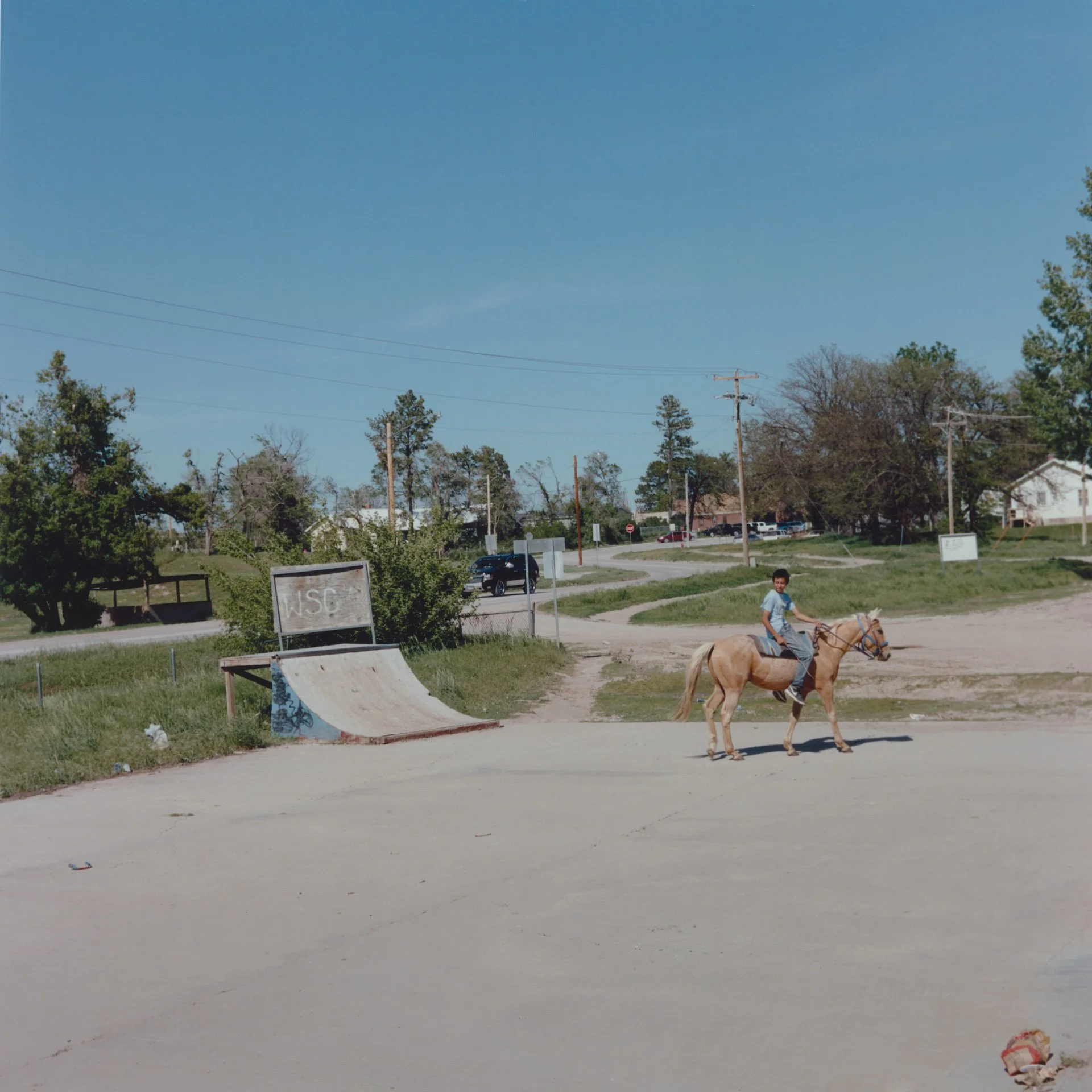
Over the last decade, skateparks (like this one on the Pine Ridge Indian Reservation) have been built within Native American communities through resources collected and/or developed by various organizations such as the Stronghold Society and the Tony Hawk Foundation as a way to bring a healthy activity to the youth living on the reservation. Reservation life doesn’t always have the infrastructure or opportunities for youth to keep active in healthy ways but these skateparks have been an asset to the youth and community.
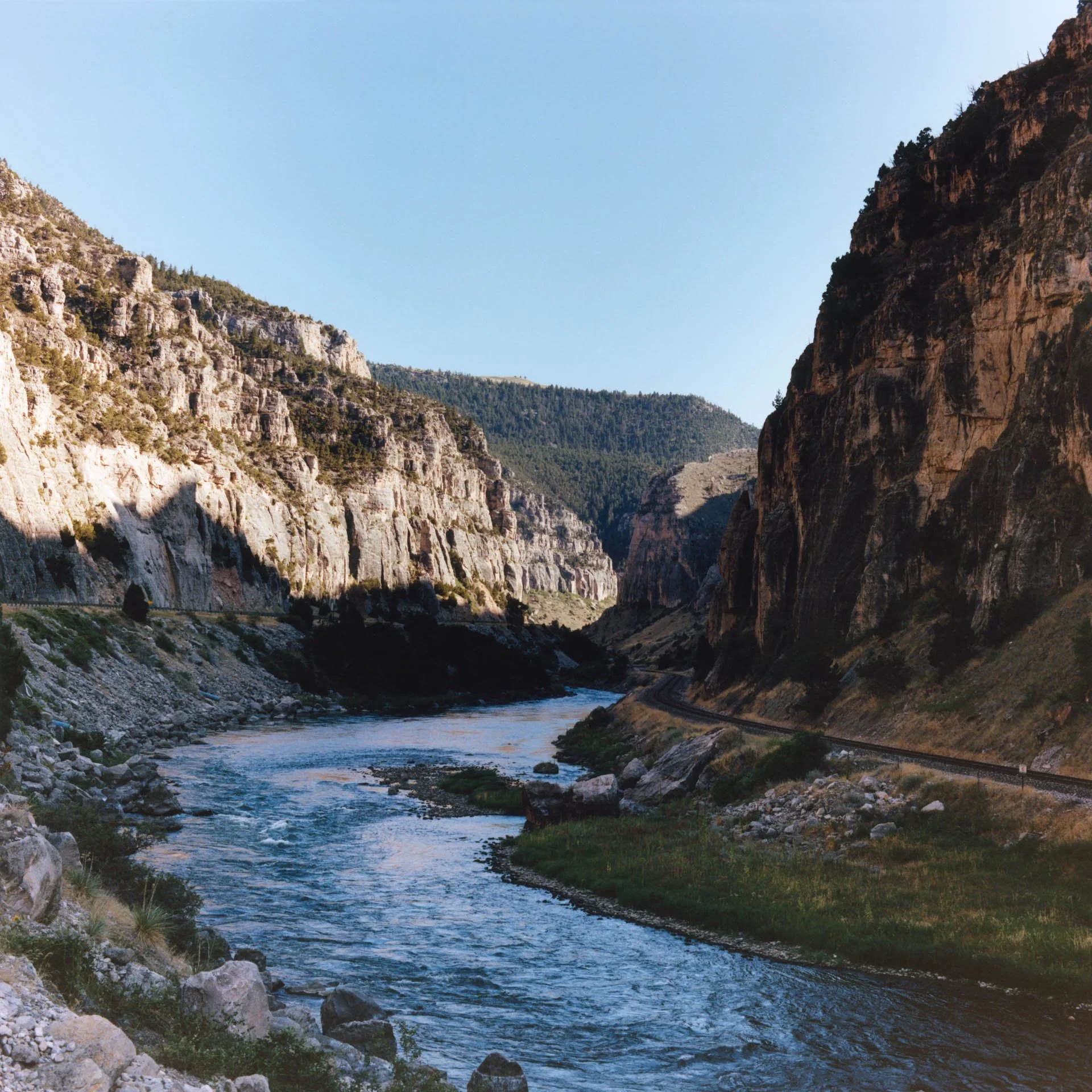
WIND RIVER CANYON
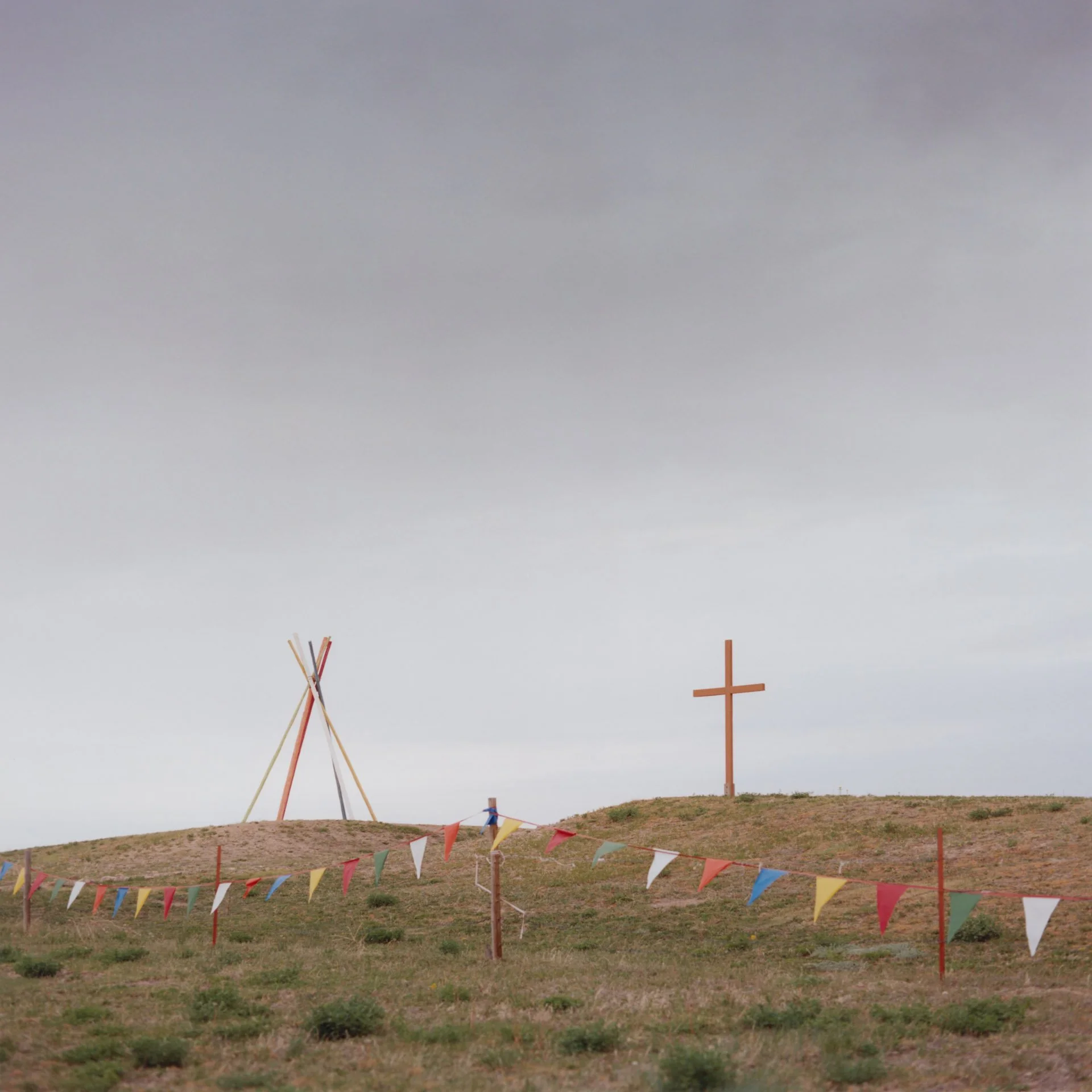
Wooden structures in the shape of a tipi and a cross sit by the side of a road in Pine Ridge, South Dakota. A visual depiction of the crossroads between two worlds of Christianity and traditionalism.
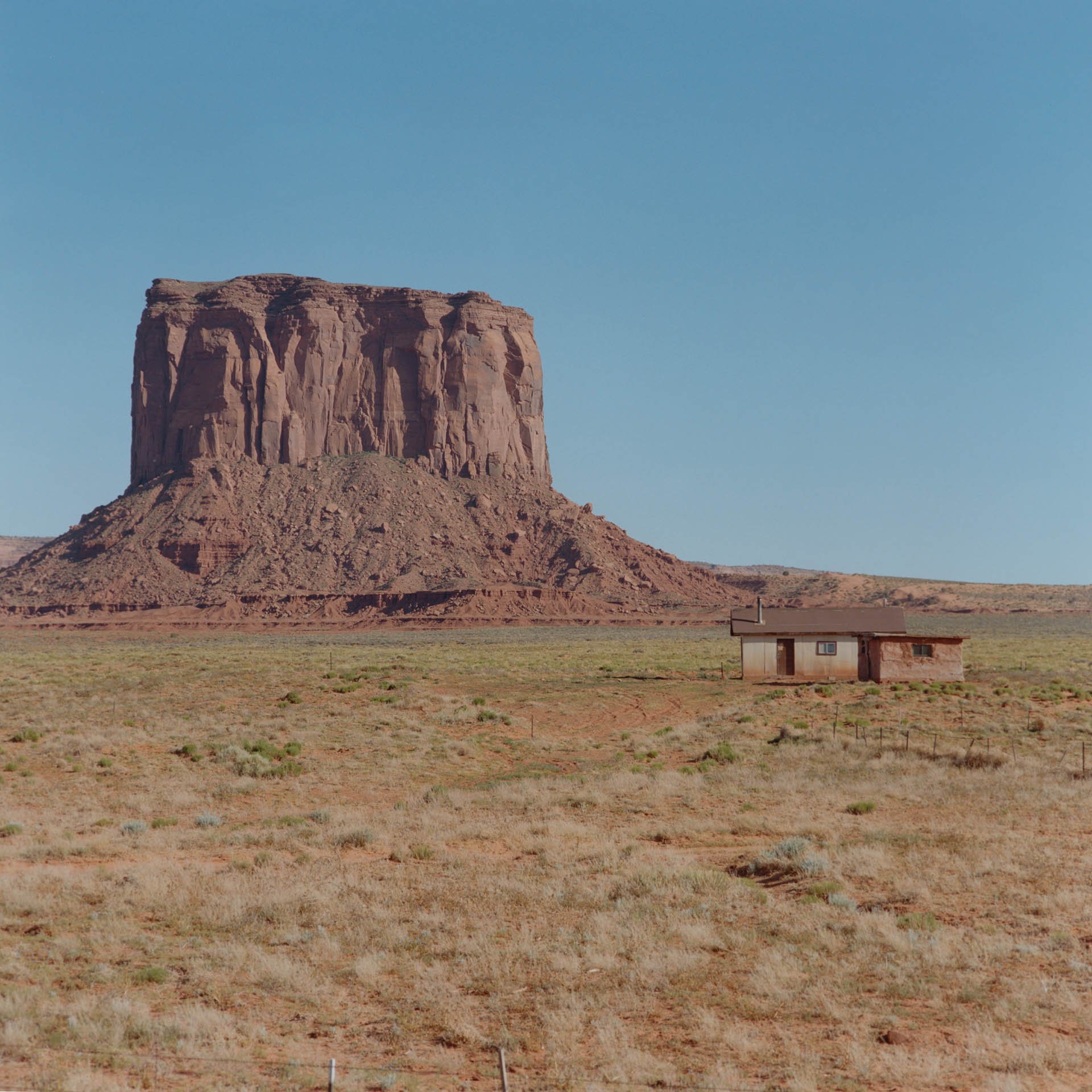
Monument Valley, Tsé Biiʼ Ndzisgaii, means valley of the rocks. It is a region that lies within Navajo Nation and is operated by tribal government. Despite the park being a popular tourist destination, about 10 families make their homes inside the park, where they live without running water or electricity and rely on farming and grazing for income. To respect their privacy and give them quiet, it is requested that visitors leave the area before sundown.
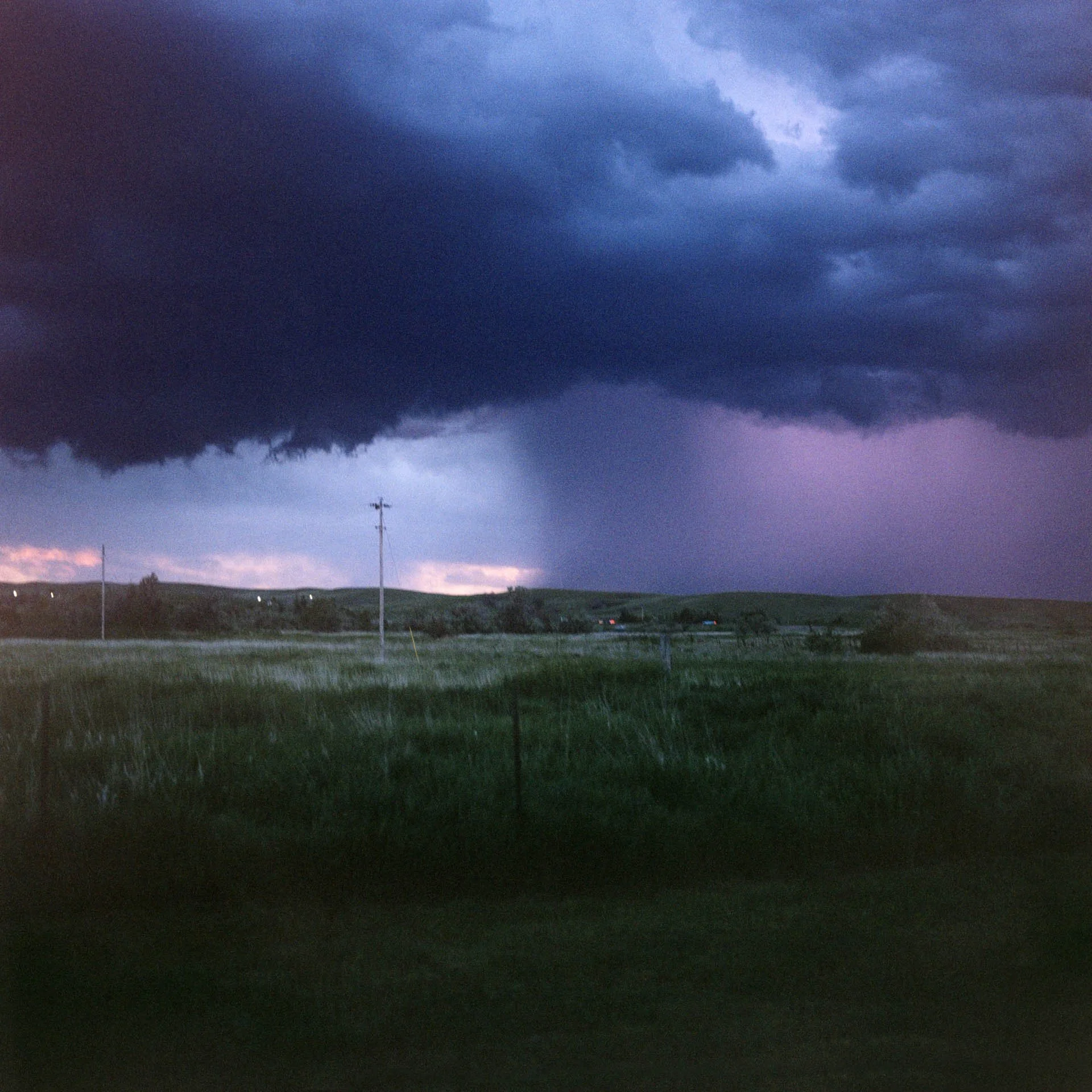
A storm coming towards the town of Oglala on Pine Ridge Indian Reservation. The region is often battered by tornadoes which has caused several deaths over the years, mainly due to inadequate housing and shelters.