
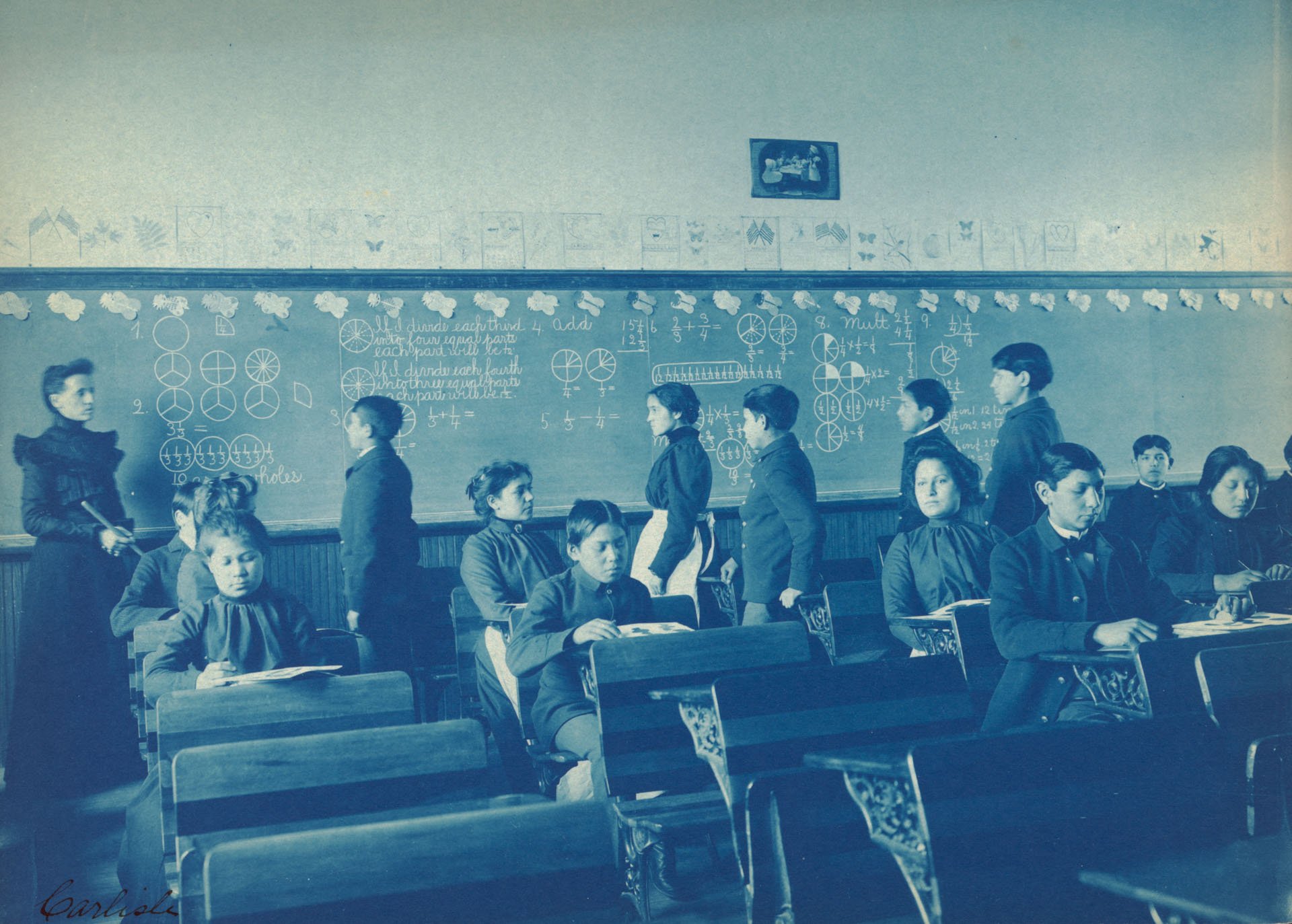
Native American children during mathematics class at the Carlisle Indian School in Pennsylvania, 1901. Source: Library of Congress
The root cause of many contemporary issues among Native American people
The clash of European colonization and the Indigenous people of North America began in the 15th century, but it wasn’t until the late 19th century did Native Americans face a whole new set of challenges. Not only was this a time of forced removal from traditional homelands for many tribes, but the “boarding school era” began and was designed to assimilate Native American people into Euro-American culture while offering a basic education. The motto was, “kill the Indian, save the man”, in an effort to “wash out” the Indian in a person, and as the government put it: “make him or her a useful contributor to society”. The government forced tens of thousands of American Indian children into residential boarding schools, often taking the children from families without their consent.

Seven Indian children, 1897, before entering boarding school on the Rosebud Reservation in South Dakota. Source: Jesse H. Bratley, Library of Congress
By 1900, more than 20,000 Indian children were in boarding schools throughout the United States. By 1925, that number had tripled. Upon arrival to these schools, Indian children were forced to cut their long hair, give up their traditional clothing and personal belongings, and forbidden to speak their own languages. They had to forgo their traditional birth names and take common English ones. They were forced to speak English and punished if they were caught speaking their own languages. Punishments were unimaginable torture and have been recounted by survivors as suffering from physical, sexual, cultural and spiritual abuse. Their traditional religious beliefs were no longer allowed to be practiced and were replaced with Christianity beliefs. The children were taught that their culture was inferior and some teachers even made fun of them and treated them as less than human.
The neglect experienced in these boarding schools was so significant that many children forgot what it was like to love or to be loved by someone and by the time they graduated, they were unsure how to navigate life. Some found their way back to the reservation, but didn’t feel like they quite fit in anymore; they weren’t “Indian” enough, yet they weren’t white either. Others never returned to their tribal communities. This identity loss, combined with the traumatizing events experienced during their time at the schools, led to unhealthy coping habits and repeated patterns that would perpetuate in generations to come. The residual scars have been passed down from generation to generation which has led to today’s high rates of suicide, substance and alcohol abuse, sexual abuse and violence, extreme poverty and other health disparities such as high blood pressure and diabetes.
“Kill the Indian in him, and save the man”
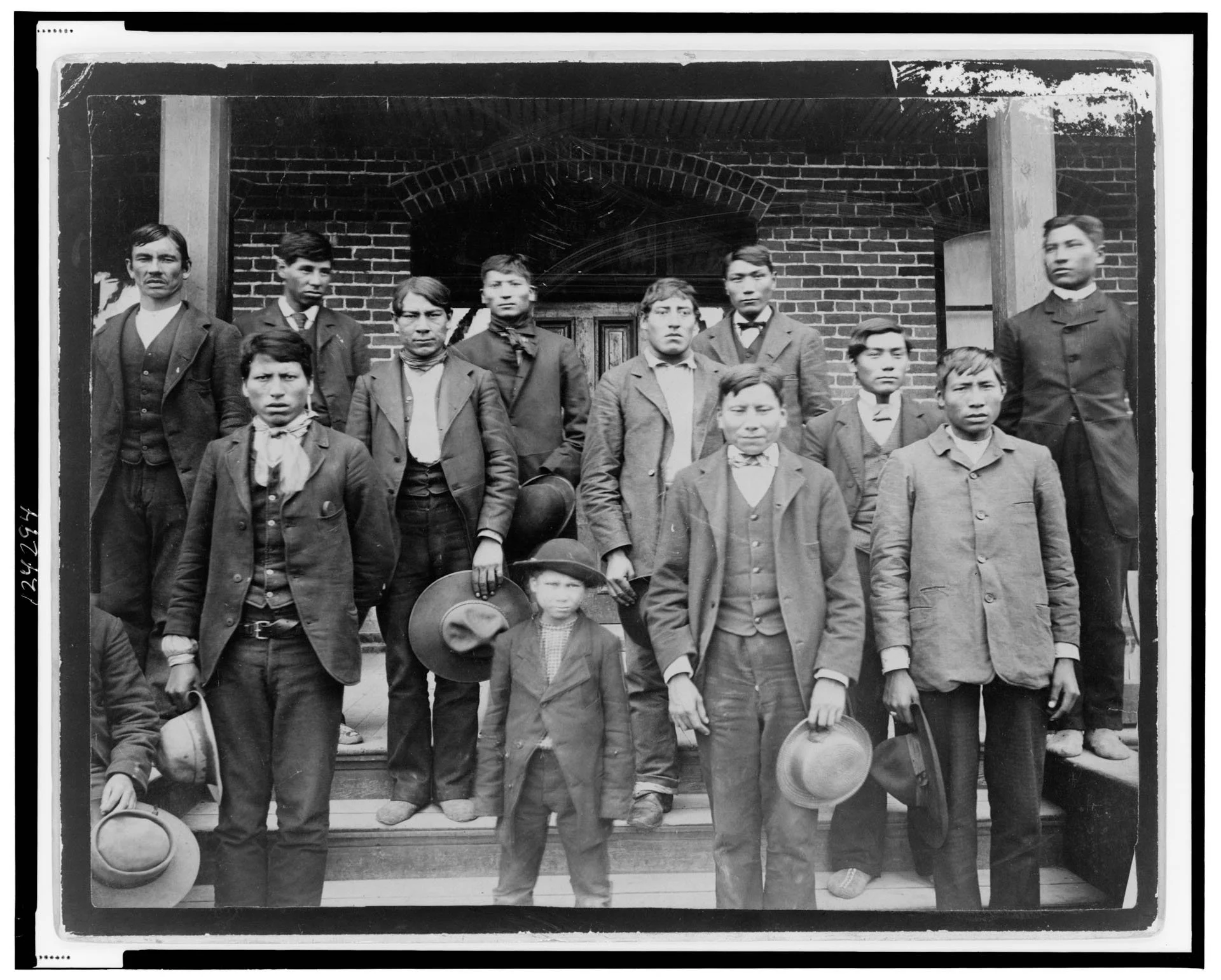
Native boys pose outside of the Carlisle Indian School in Carlisle, Pennsylvania. This was the first Native American boarding school erected in the United States in 1879 by Captain Richard Pratt. Source: Library of Congress
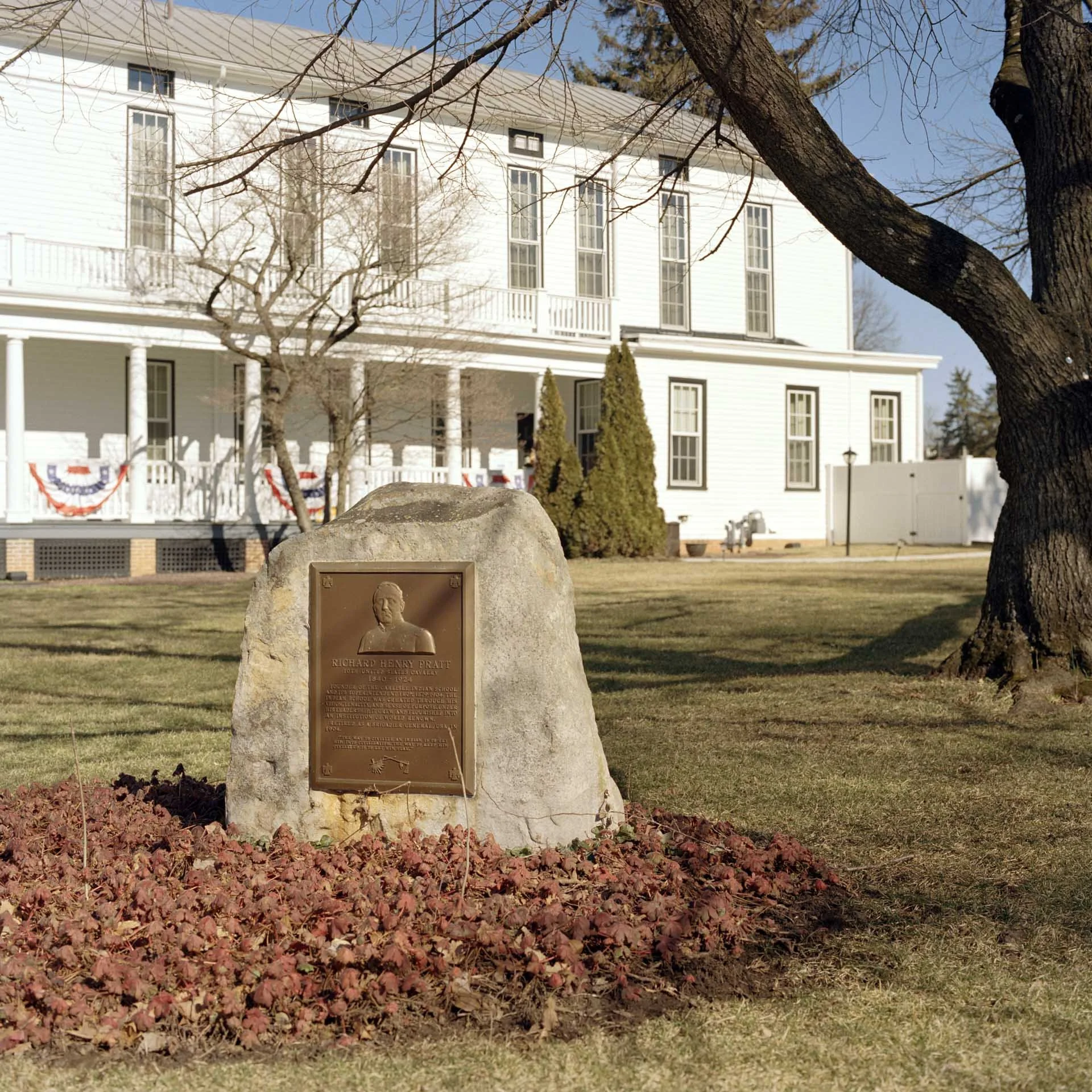
A plaque in memory of Brigadier-General Richard Henry Pratt, who founded Carlisle Indian Industrial School in Pennsylvania in 1879.
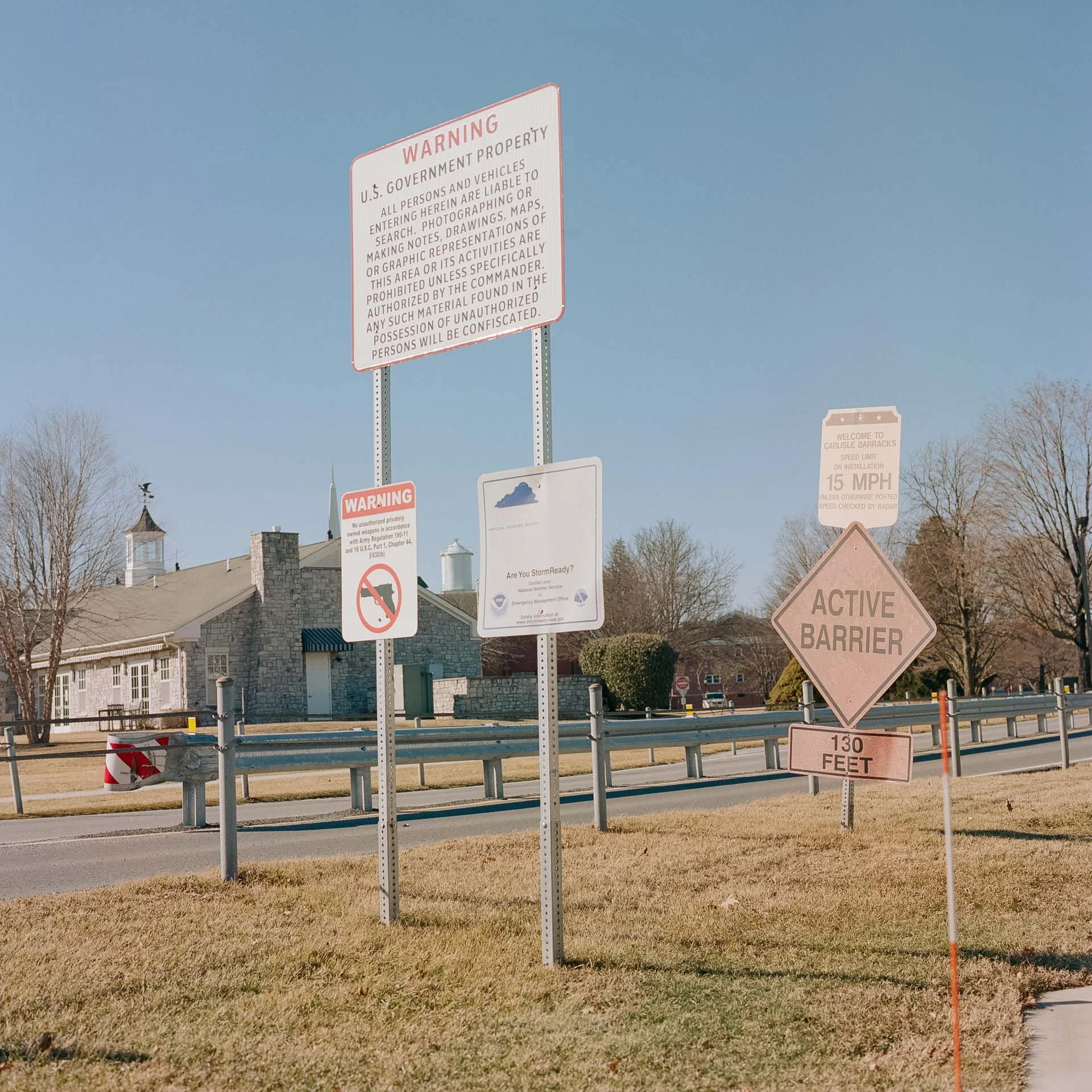
Today the site, known as Carlisle Barracks, is part of the U.S. Army War College.
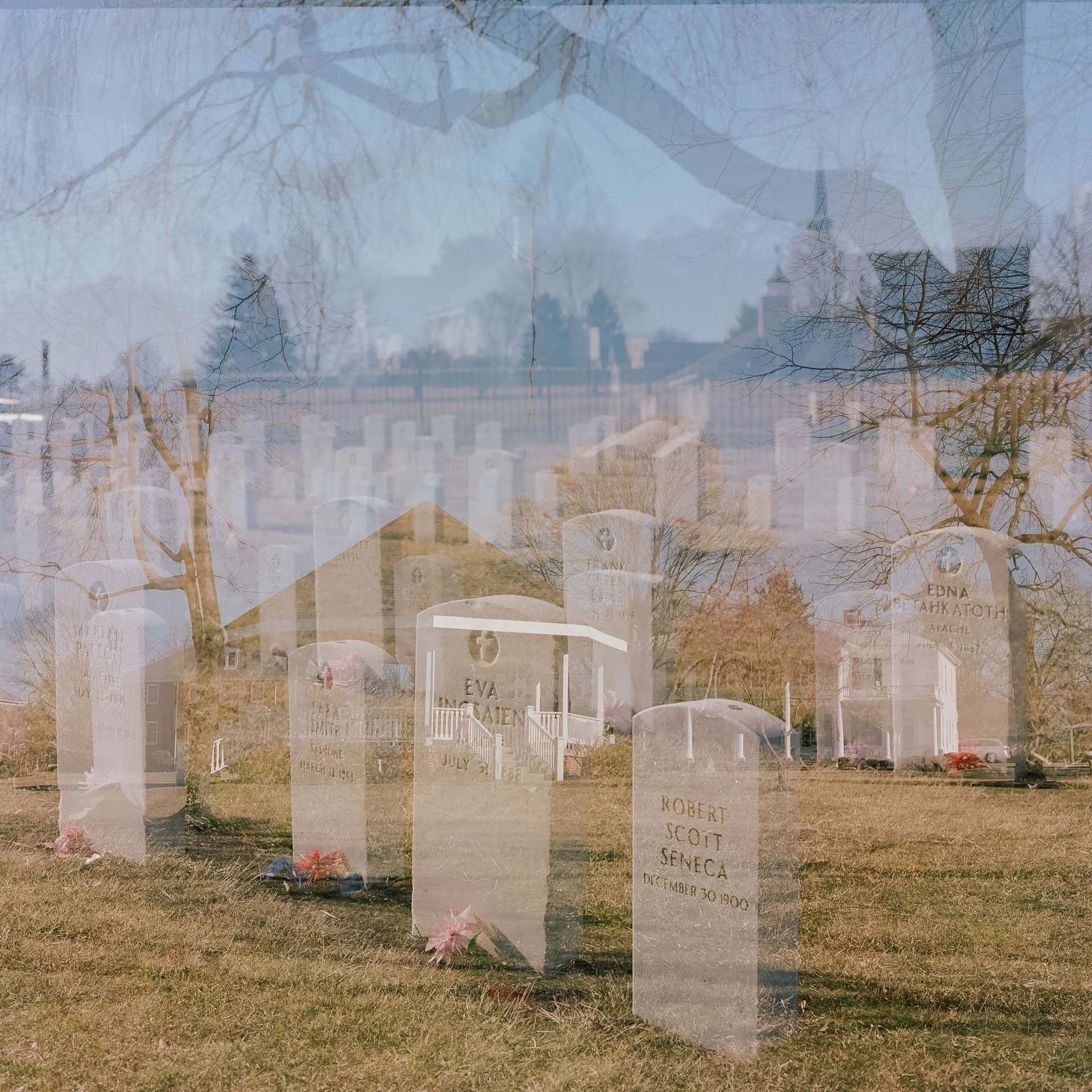
It still includes the original cemetery, containing nearly 200 Native American children who died there between 1879 and 1918.
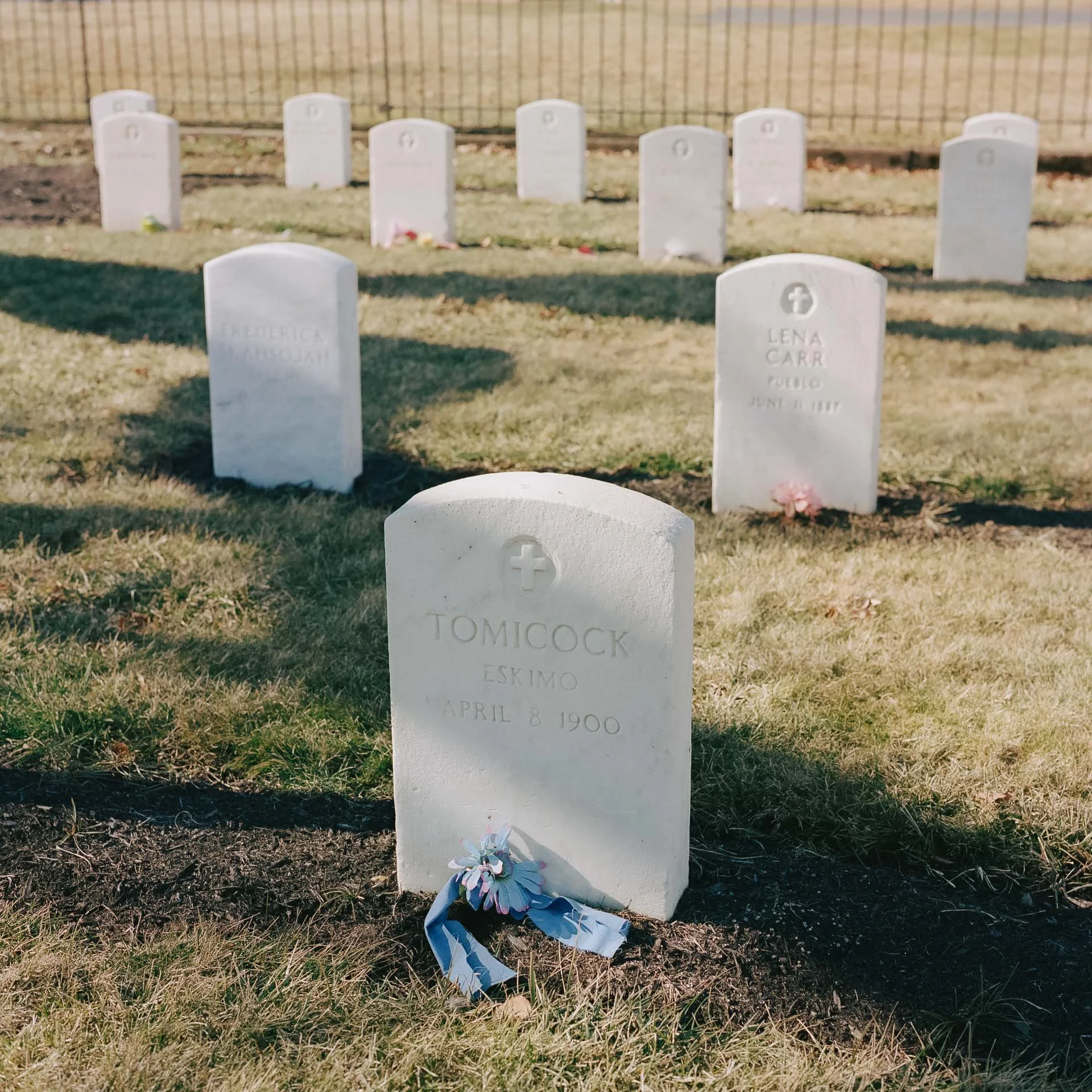
The grave of a Native child who died while attending boarding school at Carlisle.